International Theatre Day
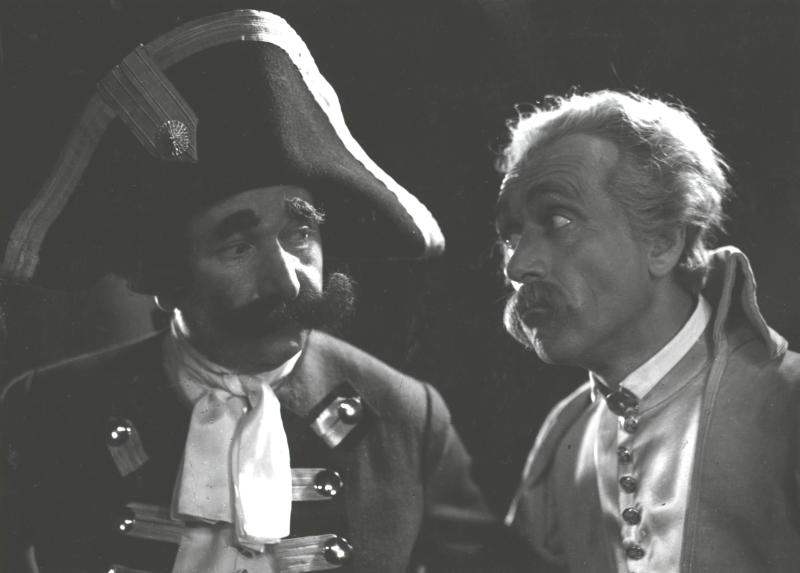
Theatre in Occupied Poland (1939-1945)
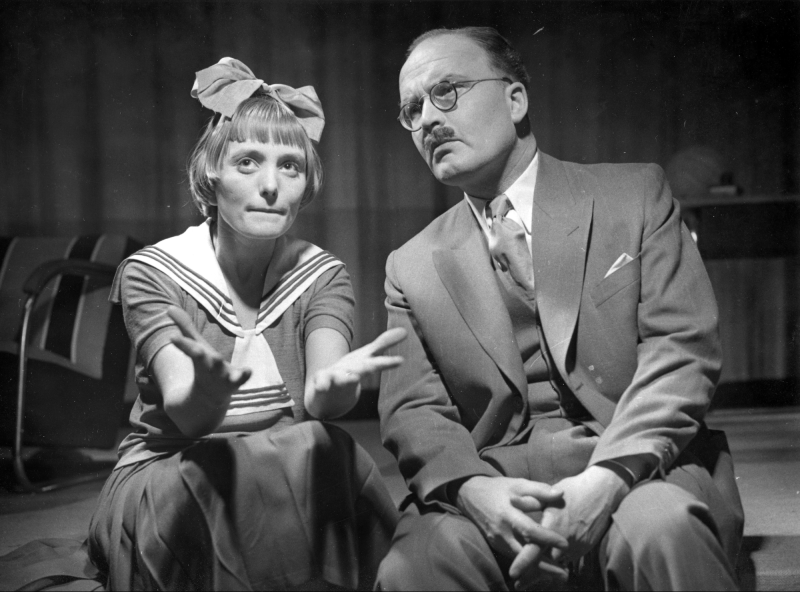
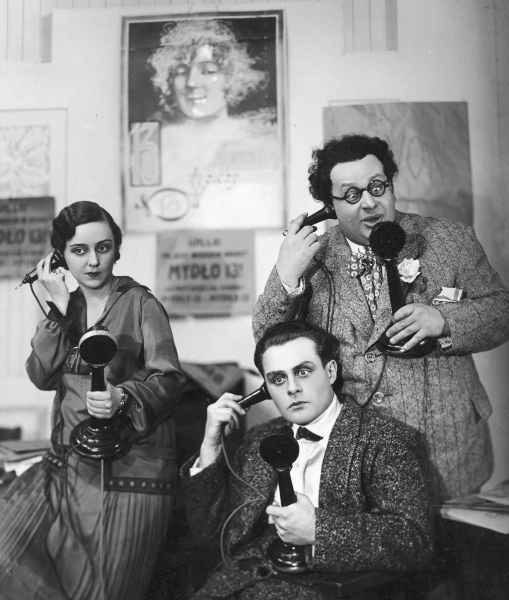
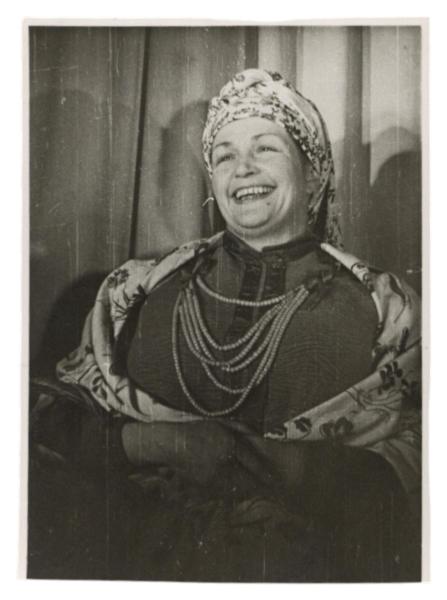
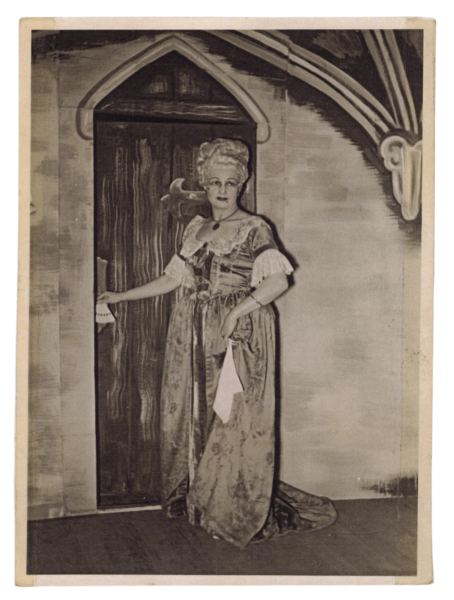
When the occupation began, the Germans closed all theatres in Poland. The occupiers’ actions led not only to material devastation - the destruction of stages and collections, the dispersal of storage facilities - but, above all, to irreversible artistic losses - the liquidation of theatre schools, the dispersal of ensembles, the interruption of theatrical tradition, and the collapse of theatrical life across the entire country.
The situation varied across occupied Poland. In the territories annexed to the Reich, Polish culture was completely eliminated from public life. In the General Government, theatre was permitted to function only in its most basic forms - operettas, revues and comedies were staged in venues which were controlled by the German authorities. Artists were required to officially register.
In 1940, in response to the occupiers’ policy, the Secret Theatre Council and the underground Union of Polish Stage Artists declared a boycott of officially sanctioned theatres and permitted only the registration of announcers and singers, which enabled them to earn a living without violating the ban. Some artists worked in cafés, such as “U Aktorek”, while many worked outside their profession.
At the same time, an underground theatrical life developed - the clandestine Polish Institute of Theatre Arts operated, as did underground stages in Warsaw and Kraków.
Refusal to register led to reprisals by the occupiers, which intensified, especially in 1941. Many actors were arrested by the Germans and then deported to concentration camps.
During the war and the occupation, due to military actions, executions, camp torture and other forms of repression, 104 members of the Union of Polish Stage Artists (ZASP) lost their lives.
The number of Jewish artists, who lost their lives in the ghettos, on the "Aryan side" and in the Nazi German concentration camps and extermination centres, is difficult to estimate.
Theatre People Helping Jews During the Holocaust
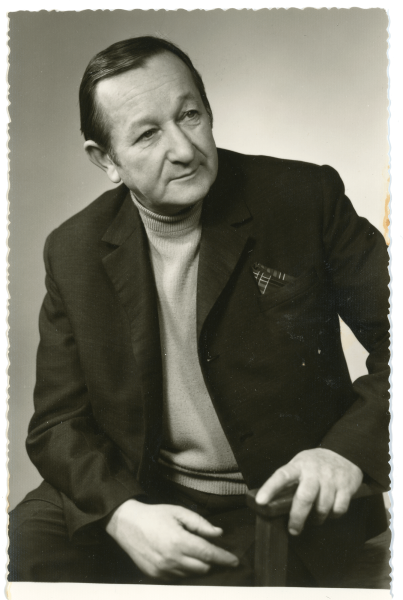
Among those theatre professionals, who helped persecuted Jews during the German occupation, were both well-known actors and theatre directors, as well as less recognised artists, who are now forgotten.
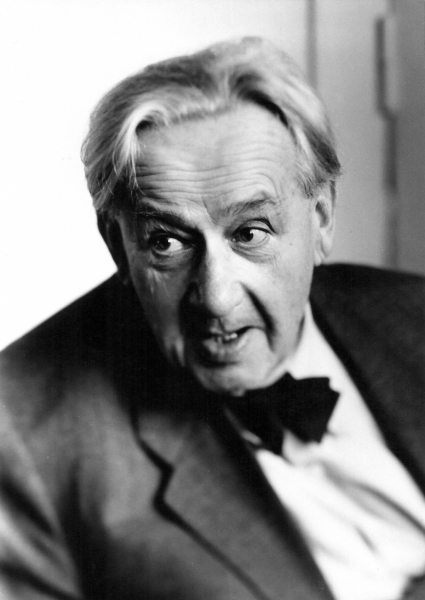
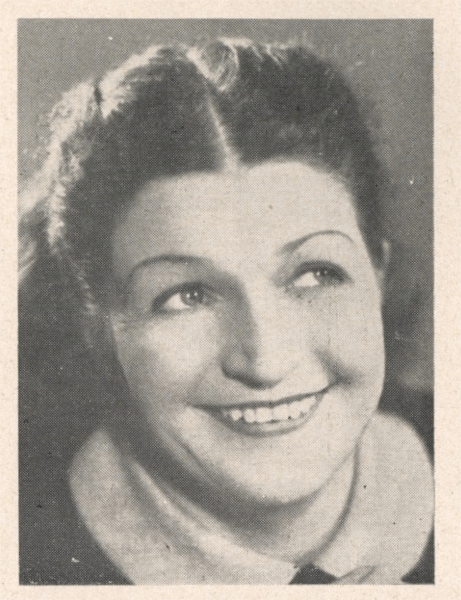
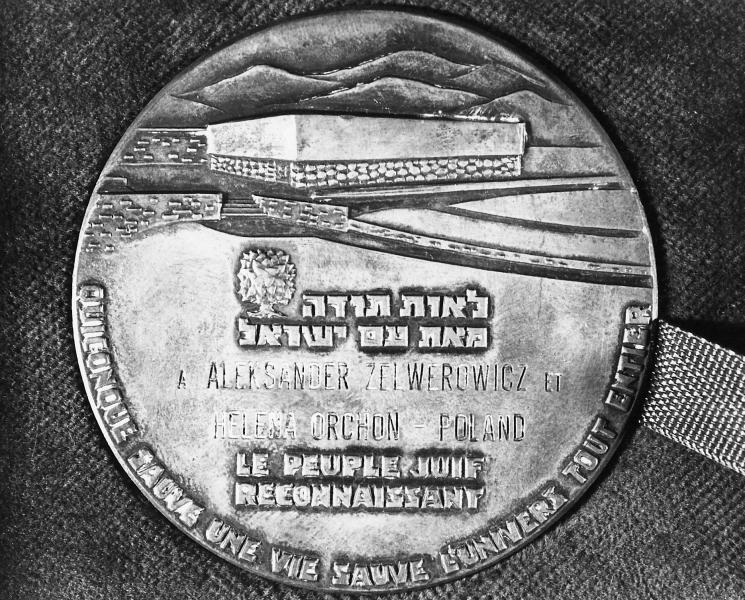
Among the most well-known theatrical figures, who were with the title of "Righteous Among the Nations" are Aleksander Zelwerowicz - an outstanding actor, theatre director and teacher - and his daughter Helena Zelwerowicz-Orchoń, an actress, director and set designer.
The Zelwerowicz family helped escapees from the Warsaw Ghetto, including Helena Caspari and her 11-year-old daughter Hania, Dawid Epstein, Leon Feiner, Lucyna Firestone and Chana Fejgenbaum, providing them with shelter in their apartment in Warsaw.
A special place among those who provided rescue is also held by Andrzej Bogucki - a theatre and film actor, operetta singer and vocalist. In February 1943, together with his wife Janina Godlewska, he helped the pianist and composer Władysław Szpilman who, following the liquidation of the Warsaw Ghetto in the summer of 1942, had been forced to work in the “residual ghetto.”
Bogucki and Godlewska helped Szpilman escape from his place of forced labour in Mokotów. From that moment until the end of the war, the renowned pianist hid on the “Aryan side”, repeatedly changing his hiding places.
Among those, whose artistic achievements are not widely known today, yet whose lives are powerfully and enduringly testified to by their actions during the German occupation, is Leon Eitel - an actor and singer.
Between 1942 and 1945, he helped his wife’s relatives by organising care for one-year-old Józef Lauer and by searching for safe hiding places, on the “Aryan side”, for escapees from the Warsaw Ghetto - Halina Kejlin (after the war Kowzan), her husband Roman, her brother-in-law Bolesław and her mother Helena Wolman.
In these efforts, Leon Eitel worked with his sister-in-law Jadwiga, as well as Antonina Gacz, Maria Głębicka, Natalia Młynarczyk and Julianna Nowak, thereby creating a network of assistance.
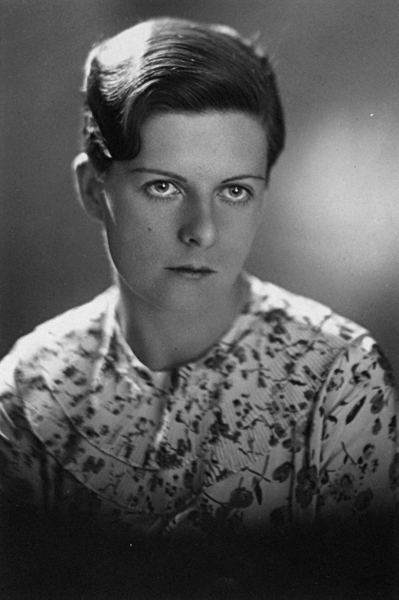
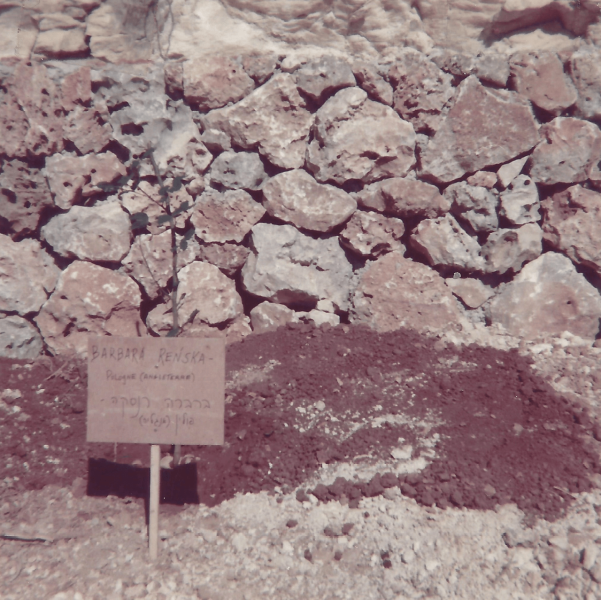
The story of actress Barbara Reńska, a friend of the Zelwerowicz family, also remains forgotten. Together with her partner Wacław Zagórski, she helped members of the Jewish resistance and women, who had escaped from the Warsaw Ghetto, including Anna Bajer-Dratwerowa, Maria Napiórkowska and Irena Filozofówna - a theatre historian. Reńska and Zagórski provided them with shelter, gave them false documents and helped them find work.
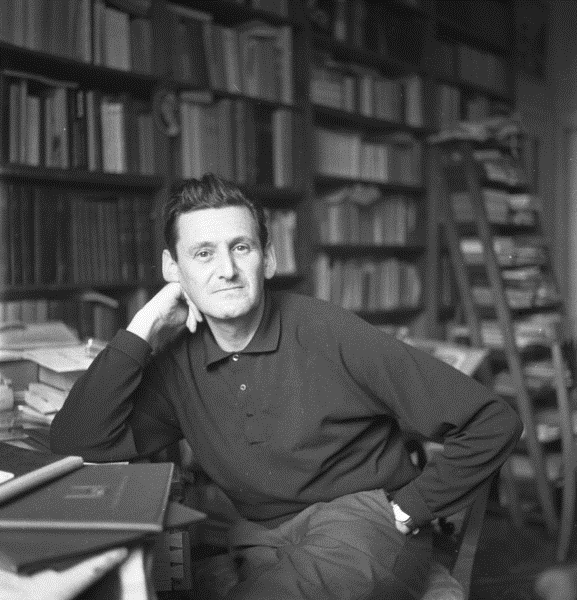
Meanwhile, Wacław’s older brother, Jerzy Zagórski - co-founder of the poetic group “Żagary” - and his wife Maria (Maryna), sheltered Lidia Kott in their apartment and, for a period of time, also her husband Jan Kott, a writer and translator. After the war, he became the most internationally renowned Polish theatre critic and theorist, famous for his new interpretations of the classics, especially Shakespeare.
Read selected stories:
- "A Friend of Humanity” - the story of assistance provided by Aleksander Zelwerowicz and his daughter Helena
- “He was the first person ready to help us” - the story of aid given by Leon Eitel and by those who worked with him
- “Thanks to both of them, we survived” - the story of assistance provided by Barbara Reńska and Wacław Zagórski
- How Władysław Szpilman hid in occupied Warsaw - the story of assistance provided by Andrzej and Janina Bogucki
- Sheltering Jews by a co-founder of the “Żagary” poetry group - the story of Jerzy Zagórski and his wife Maria
Premiere of the book "Lena, Daughter of Zelwer”
Published by the Grand Theatre - Polish National Opera, a new book by Barbara Osterloff has been released entitled Lena, Daughter of Zelwer - a Biography of Helena Zelwerowicz-Orchoń.
Jest to pierwsza biografia artystki teatru i niezłomnej emigrantki, która po II wojnie światowej działała najpierw w polskim środowisku kulturalnym w Londynie, a następnie przez wiele dekad w Nowym Jorku. Autorka sięga po nieznaną dotąd korespondencję, relacje i wspomnienia. Ważnym walorem książki jest bogata ikonografia: zdjęcia teatralne, fotografie prywatne oraz dokumenty rodzinne Zelwerowiczów.
This is the first biography of a theatre artist and steadfast émigré who, after the Second World War, was firstly active within the Polish cultural community in London and then, for many decades, in New York.
The author draws on previously unknown correspondence, accounts and memoirs. A notable strength of the book is its rich iconography - theatrical photographs, private images and family documents of the Zelwerowicz family.
The official launch of the book will take place on 23rd April at 5:00 p.m. in the Redutowe Halls of the Grand Theatre - Polish National Opera. The event will be hosted by Janusz Majcherek, comments will be given by Dr. Marek Kulesza, and excerpts from the book will be read by Anna Grycewicz and Przemysław Stippa - actors of the National Theatre. Admission is free.
Barbara Osterloff, Lena, córka Zelwera. Opowieść biograficzna o Helenie Zelwerowicz-Orchoń, Teatr Wielki – Opera Narodowa, Muzeum Teatralne, Warszawa 2025. ISBN: 978-83-65844-99-6.
Read more:
- Recommended stories - ten of the most well-known Polish Righteous [catalogue of rescue stories] →
- Polish men and women murdered for helping Jews [catalogue of rescue stories] →
- Members of the “Żegota” Council to Aid Jews [catalogue of rescue stories] →
- The attitudes of Poles toward Jews during the Holocaust [thematic study] →
- The death penalty for helping Jews in occupied Poland [thematic study]] →
- Jews in hiding on the “Aryan side” [thematic section]] →
- Jews helping other Jews on the “Aryan side” [thematic section]] →
- Discussion series marking the 15th anniversary of the launch of the project “The Polish Righteous – Restoring Memory”” →
- Educational and expert materials package - “In Hiding - Stories of Survivors and the Righteous” →
- Educational film and expert discussion about Irena Sendler and Jadwiga Piotrowska →
- Educational film and expert discussion about Jan and Antonina Żabiński →
- Interviews from the POLIN Museum’s Oral History Collection [YouTube channel] →