Presentation Ceremony of the “Righteous Among the Nations” Medal at the War Studies University
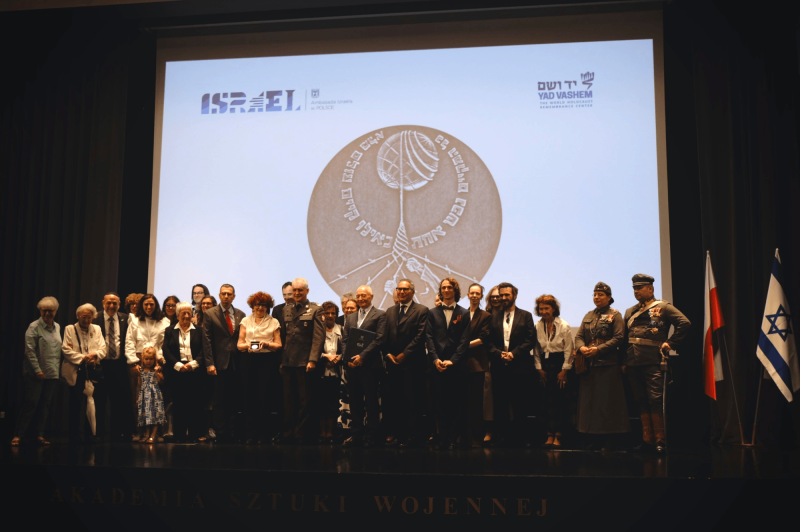
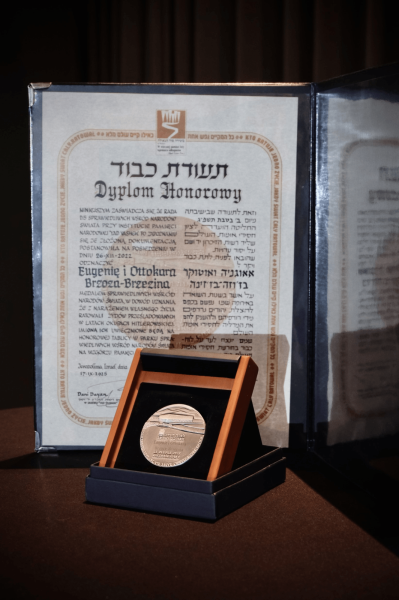
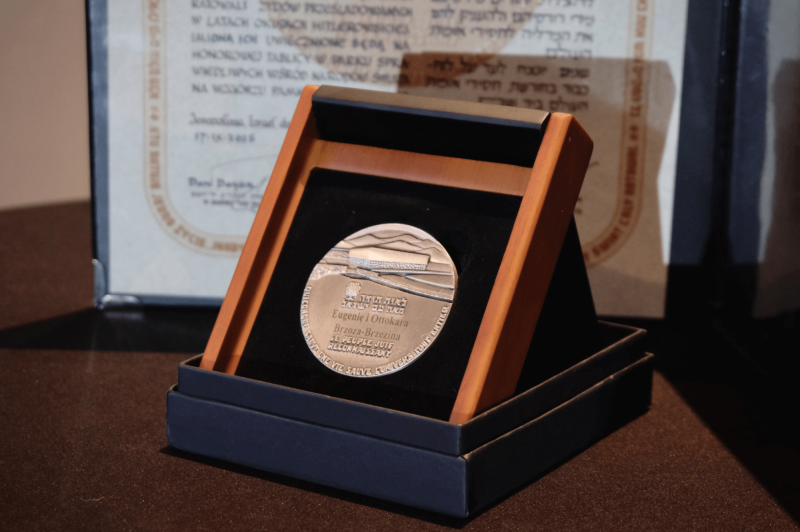
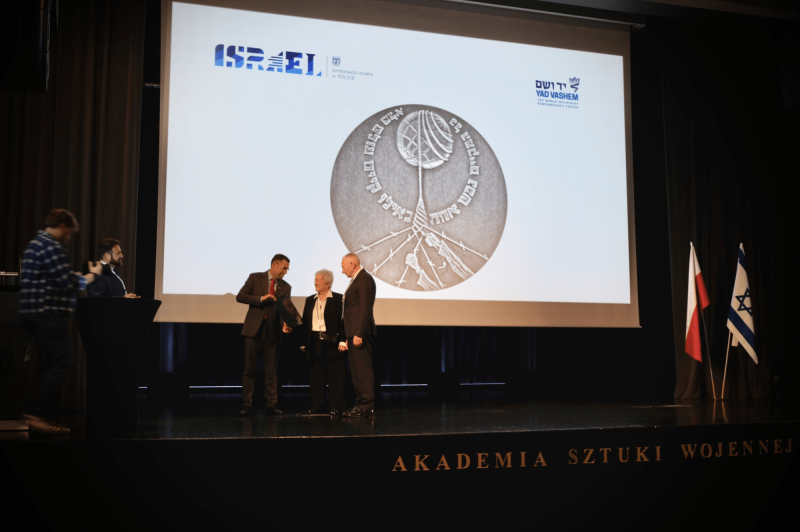
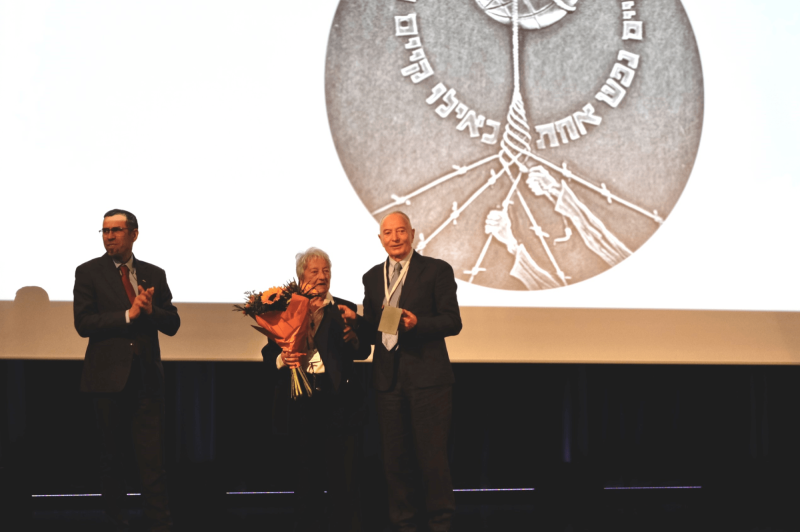
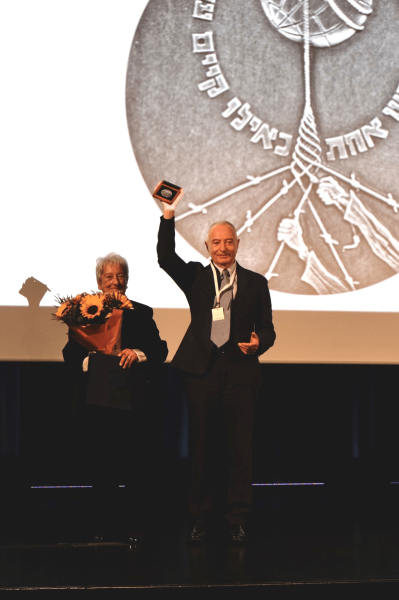
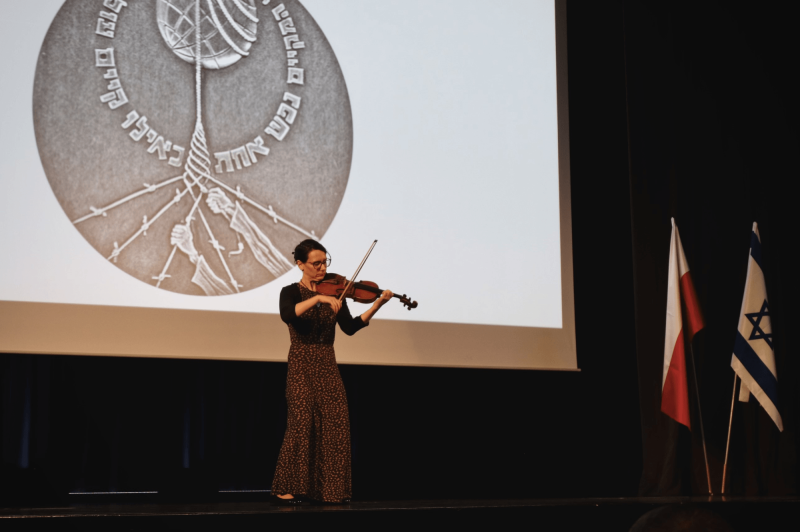
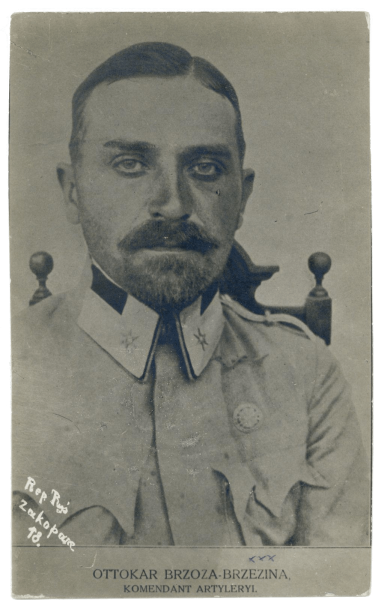
“During the German occupation, General Ottokar Brzoza-Brzezina and his wife Eugenia opened up their home to people condemned to annihilation. They hid the persecuted, providing them with shelter, food, and hope. They knew that such assistance was punishable by death - not only for themselves, but for their entire family. However, they remained faithful to the principles of humanity and honour.
"For us - people in uniform, connected with the military - such an attitude has special significance. An officer of the Polish Armed Forces should be not only an effective commander but, above all, a person of honour. He or she must be guided by courage, responsibility and respect for human dignity. These are the values we teach at the War Studies University. These are the standards we expect of the future leaders of the Armed Forces of the Republic of Poland.
"The mission of our university is to educate the nation's security elite - people who are prepared to defend their country, but who are also capable of making difficult moral decisions.
“The story of General Brzoza-Brzezina shows that military authority is built not only through rank and battlefield achievements, but also through humanity and fidelity to the highest values. [...]
"Within the walls of the War Studies University, we wish to remember such figures. We want future officers of the Polish Armed Forces to be inspired by them - a model of service to the homeland, but also of service to fellow human beings”, said the University’s Deputy-Rector, Brigadier General Mariusz Fryc, welcoming the participants of the ceremony.
The title of Righteous Among the Nations has been presented by the Jerusalem Yad Vashem Institute since 1963. It is the State of Israel's highest civilian award, presented to people, from around the world, who selflessly provide aid, at the risk of their own lives, provide aid to Jews, who were persecuted by Nazi Germany during World War II.
To date, more than 28,000 people, from 51 countries, have been awarded the "Righteous Among the Nations" medal and honorary diploma, including 7,318 Poles (as at January 2024).
The medals bear an inscription taken from the Talmud: “Whoever saves one life saves the entire world.”
During the ceremony, Krzysztof Brzoza-Brzezina said:
“Naturally, my grandfather and his wife Hanka, who are the true recipients and heroes of this beautiful and joyful ceremony, are not with us today”,
“[…] Their memory will remain in the hearts and minds of many people for years to come.”
During the German occupation, Ottokar Brzoza-Brzezina and his wife Eugenia (“Hanka”) Brzoza-Brzezina lived in Zielonka, near Warsaw. Ottokar was a retired Polish Army colonel (he was posthumously promoted to the rank of brigadier general), who became involved in the resistance activities of the underground during the occupation.
From at least the beginning of 1943 until September 1944, the Brzoza-Brzezina couple helped Jews, who were escaping from the Warsaw Ghetto and who sought hiding-places on the "Aryan side". In their home, they provided shelter, food and care.
Thanks to their aid, at least thirteen people survived the Holocaust, including Paweł Dagenszajn and his son Izrael.
In 2022, based, in part, on the testimony provided by Izrael -today known as Richard Israel Dagen - the Yad Vashem Institute awarded Ottokar and Eugenia Brzoza-Brzezina the title of "Righteous Among the Nations".
During the ceremony, Odile, granddaughter of Paweł Dagenszajn, said:
“Many aspects of this story will remain unexplained. For example, how my grandfather first came into contact with Colonel Brzoza-Brzezina, or how long he stayed in Zielonka. One thing, however, is absolutely clear and certain - thanks to the courage of Ottokar Brzoza-Brzezina and his wife Eugenia, who agreed to hide, feed and protect the Dagenszajn family, while risking their own lives, they survived - and with them at least ten other people.
[...]
"I met Krzysztof and Renata Brzoza-Brzezina, the grandchildren of Ottokar and Eugenia, during my trip to Poland last year. I immediately felt warmly welcomed by them. That is why I am so happy that they are here today, that I can see them again and that our two families - from the youngest to the oldest members - have gathered together for this extraordinary ceremony.
[...]
"No words can fully express what we owe to Ottokar and Eugenia, but we can tell their story. We can ensure that their memory lives on. We can remind future generations that the courage of a single person can change the future of many others.”
Richard Israel Dagen was unable to travel to Poland so, during the ceremony in Warsaw, a short video message was shown in which he greeted the participants of the event:
“I would like to extend my warmest wishes to the family of Colonel Brzoza-Brzezina and to thank them for saving our lives. He placed both himself and his family at enormous risk. Colonel Brzoza-Brzezina was an exceptional and charismatic man.
"My heartfelt congratulations on this very special day.”
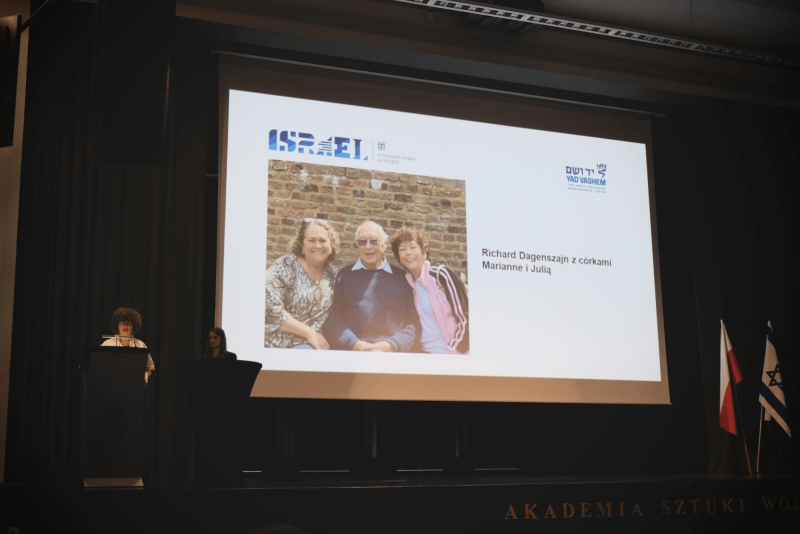
His daughter, Marianne, spoke on his behalf during the ceremony:
“I can only imagine how terrifying the circumstances of the war years were and how difficult it must have been for Ottokar’s family to hide Jews without receiving any material benefit and while risking their own lives. The fact that they all survived is a miracle.
[...]
"I am very happy that Krzysztof has accepted this honour today. I read that his grandfather, Ottokar, died in 1968 - the very year I was born. Thanks to the courage of his family, our family today consists of the second, third and fourth generations of Holocaust survivors.”
Read:
See more:
- The attitude of Poles towards the Jews during the Holocaust [a thematic study] →
- The death penalty for helping Jews in occupied Poland [a thematic study] →
- Poles regarding the Warsaw Ghetto Uprising [a thematic study] →
- Zofia Kossak's appeal "Protest!” (1942) [Zofii Kossak] →
- Monograph "This is my homeland…” by Władysław Bartoszewski and Zofia Lewin a thematic study] →
- Jews hiding on the "Aryan side" [a thematic tab] →
- Educational and expert material: "In Hiding - the Stories of the Rescued and the Righteous” →
- Educational film and discussion with experts about Irena Sendler and Jadwiga Piotrowska →
- Educational film and discussion with experts about Jan and Antonina Żabiński →
- Interviews from the POLIN Museum's Oral History Collection [YouTube channel] →