80th Anniversary of the Warsaw Ghetto Uprising
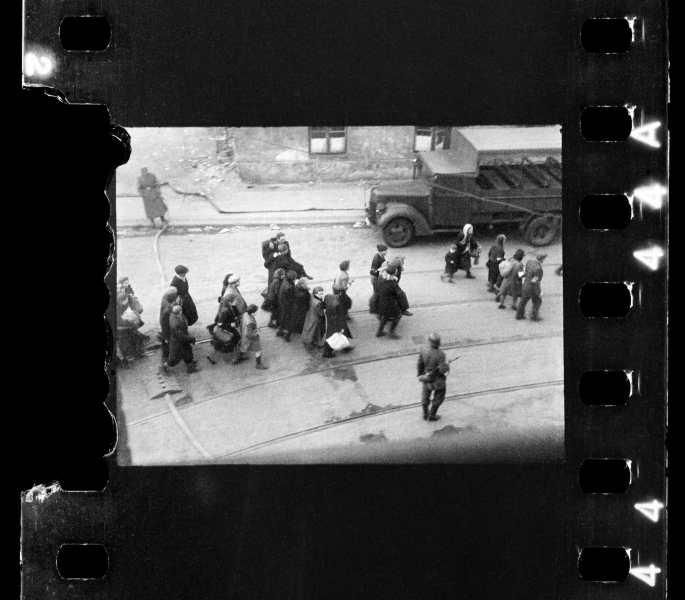
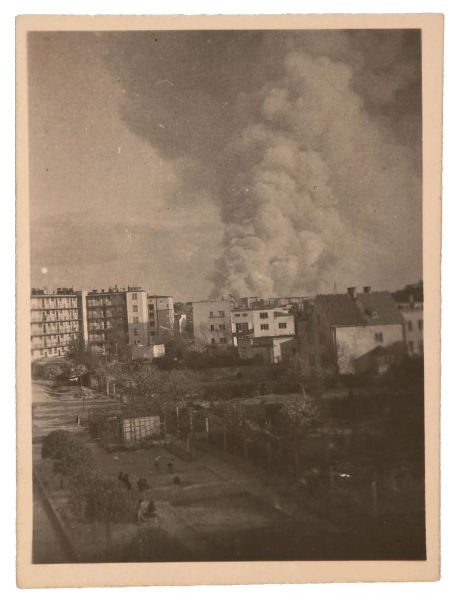
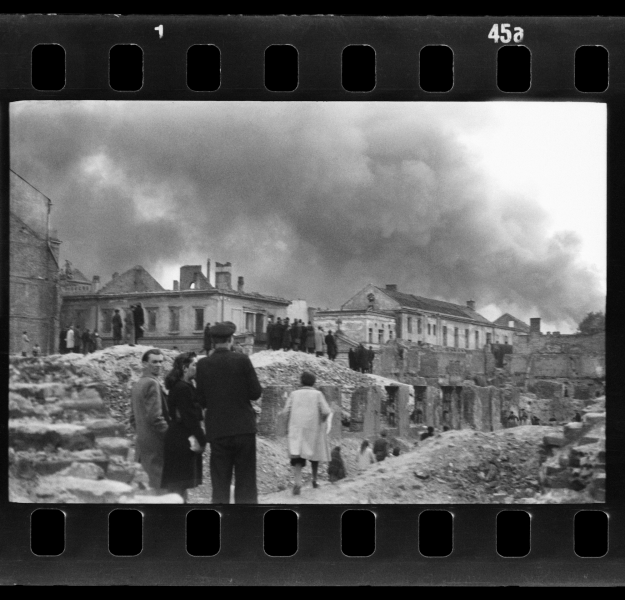
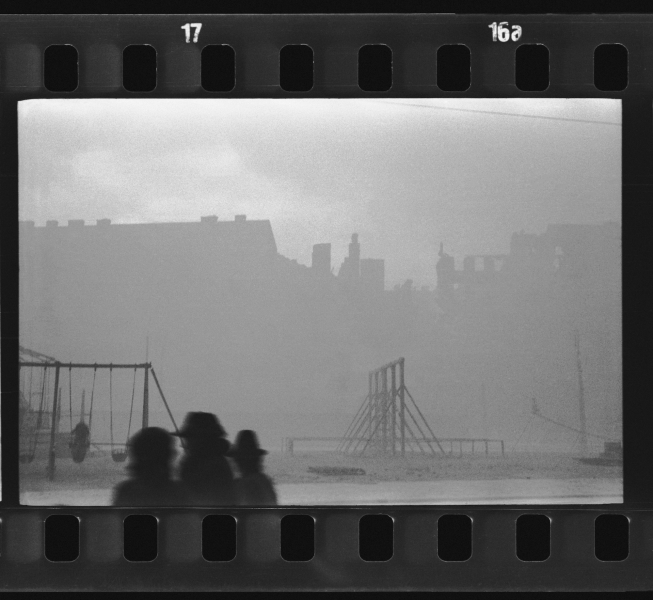
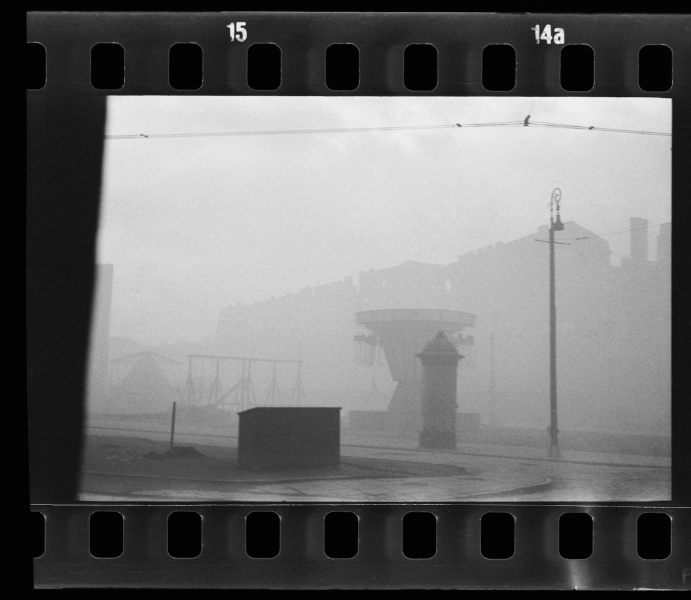
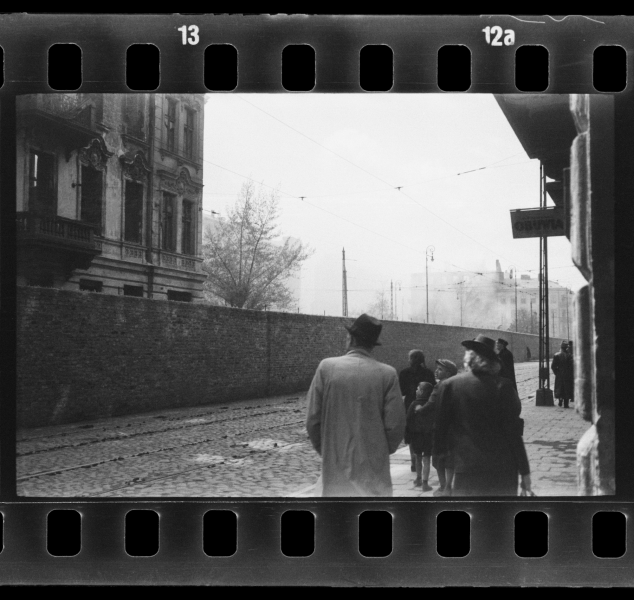
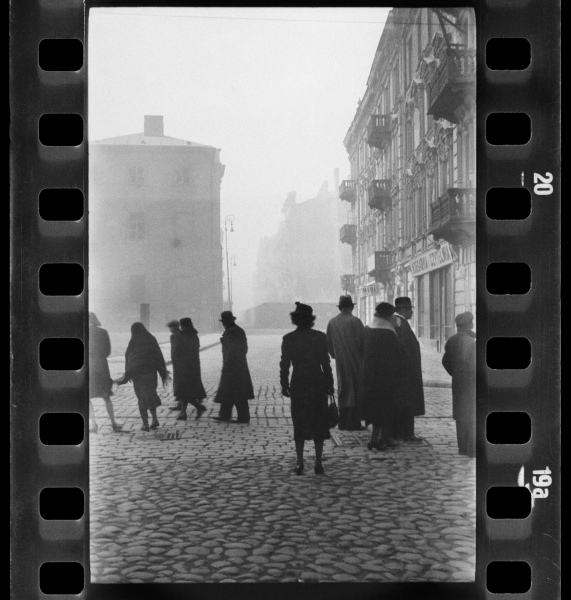
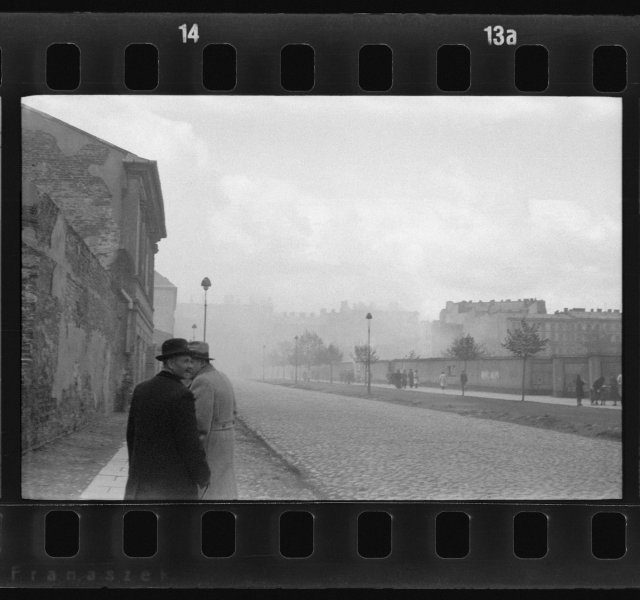
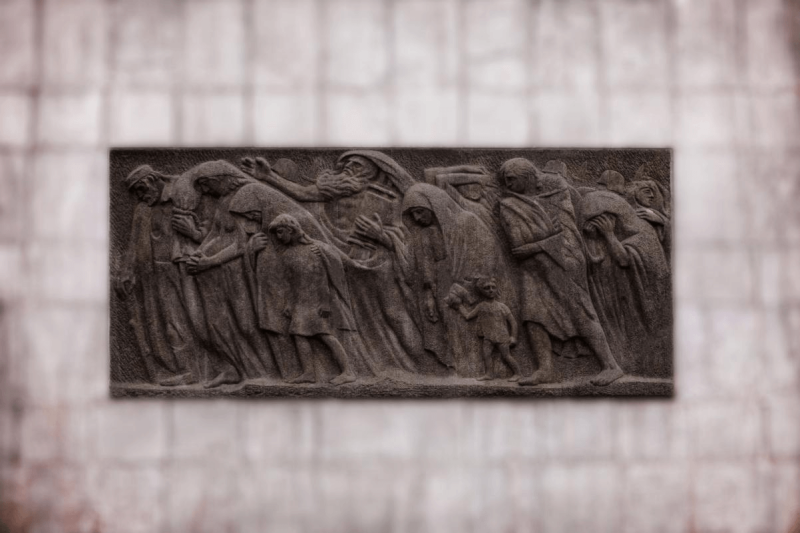
“‘Around Us a Sea of Fire’ – these words feature in the testimonies of Jews who were in the Warsaw ghetto during the Uprising. Around 50,000 people were hiding in burning bunkers, as the Germans burned house after house” – from the prologue to the POLIN Museum’s new temporary exhibition about the fate of Jewish civilians during the Warsaw Ghetto Uprising.
“Don’t Be Indifferent” – the POLIN Museum’s program marking the 80th anniversary of the Warsaw Ghetto Uprising
On 19th April, join the 11th Daffodils Social and Educational Campaign – pin a daffodil as a sign that that #ŁączyNasPamięć. This year, we plan to give away 450,000 paper flowers. This number symbolises the number of Jews who were locked up in the Warsaw Ghetto at the time of its greatest overcrowding – in the spring of 1941. For the first time in the history of the Daffodils campaign, volunteers will officially, at the same time, distribute paper flowers on the streets of six Polish cities – Warsaw, Łódż, Kraków, Białystok, Lublin and Wrocław.
The Daffodils campaign is supported by Campaign Ambassadors Wanda Traczyk-Stawska, Aleksandra Żebrowska, Ralph Kaminski, Bartosz Gelner, and our wonderful volunteers Patrycja, Kacper and Zygmunt.
To our group of Ambassadors, we have invited the Granica Group which, in its activities on the Polish-Belarusian border, fulfills Marian Turski’s eleventh commandant – “Don’t Be Indifferent”.
The Daffodils Campaign Honorary Ambassador is Hanna Krall, writer and journalist, author of the book “Zdążyć przed Panem Bogiem” [“On Time Before God”].
This year’s Daffodils Campaign is dedicated special individuals – the almost 50,000 women, men and children hiding in the attics of houses and underground bunkers, as well as in the ghetto rubble following the fall of the Uprising. For many weeks, they eluded the German soldiers. Their resistance was equally as important as the resistance of with weapons in their hands.
To tell of this silent resistance, we have dedicated a new temporary exhibition “Around Us a Sea of Fire – the Fate of Jewish Civilians During the Warsaw Ghetto Uprising”, curated by Barbara Engelking and Zuzanna Schnepf-Kołacz. Although this exhibition focuses on historical events, it will also raise universal dilemmas, attitudes and emotions. It will pose important questions in the contemporary world.
How do we react when facing death? Where is the line between fighting for one’s life and giving up? What do people, who have been excluded form society, feel when they are surrounded by indifference or contempt, “drowning”, as many heroes wrote about themselves, for whom there is no rescue?
How can evil be opposed and resisted? What constitutes indifference and to where does it lead? Are we ashamed of witnessing the suffering of others?
This exhibition will be accompanied by a rich program of events.
Poles’ attitudes towards the Warsaw Ghetto Uprising – a publication launch on the Polish Righteous internet portal
How did Poles react to the Ghetto Uprising? How was the event commented upon? What did the “official agencies” say – the German authorities, the Polish authorities in London and the underground organisations within the country?
Above all, how did the eyewitnesses, passers-by on the streets of the city, perceive the fighting behind the wall?
As part of the commemorations of the 80th anniversary of the Ghetto Uprising, we will publish new academic studies on the Polish Righteous portal. They will relate to the attitudes of Poles towards the Warsaw Ghetto Uprising which was taking place before their eyes.
The article by Prof. Barbara Engelking tells about the reactions to the tragedy of the Warsaw Ghetto in April and May 1943. The text comes from the POLIN Museum’s temporary exhibition catalogue: “A Sea of Fire – the Fate of Jewish Civilians During the Warsaw Ghetto Uprising”.
“Through the windows, overlooking the Krasiński garden, one could see the roofs of the houses on the other side of the garden. And people, Poles, sat on these roofs and watched what was happening in our country. They watched us, more or less, like the Romans of Nero’s time watched ‘living torches’ – Christians being burned alive. Seeing these people on the roofs of Aryan houses, relatively free and safe, how I longed to find out what they were thinking and what was going on in their souls”, wrote Symcha Binem Motyl, sitting in a shelter in the ghetto on Świętojerska Street.
An article by Joanna Król-Komła, tells of the unique photographs taken by Rudolf Damec, presenting witnesses to the tragedy of the Uprising of April and May 1943. Their movements, gestures and looks lead to interpretation, evoke numerous discussions about the attitudes of Poles towards the extermination of Jews.
“The photographs are unposed. One frame shows people not even looking at the ghetto. In other shots, they seem to be frozen, standing in the middle of the street, across a footpath, staring directly at the wall. They show children who, as children do, having minimal hesitation and embarrassment, looking directly at the wall”, Joanna Fikus, Exhibitions Department, POLIN Museum.
Read More:
- “The Yids are burning!” Poles’ reaction to the Uprising in the Warsaw Ghetto
- Unique Photographs showing witnesses to the Warsaw Ghetto Uprising [premiere]
- History of Andrzeja and Czesław Miłosz, witnesses to the Warsaw Ghetto Uprising →
- Relations of witnesses to the Warsaw Ghetto from the collection of the POLIN Museum →
- A series of film portraits of personal witnesses of the Warsaw Ghetto from the POLIN Museum collection →
- Lecture by Dr. Krzysztof Persak from the POLIN Museum on the Warsaw Ghetto Uprising