“Righteous Among the Nations” Medal Presentation Ceremony in Warsaw
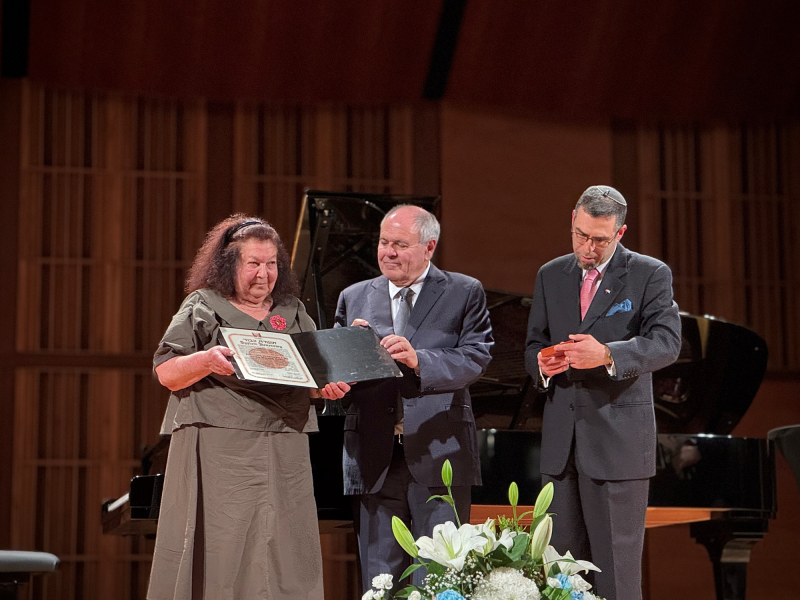
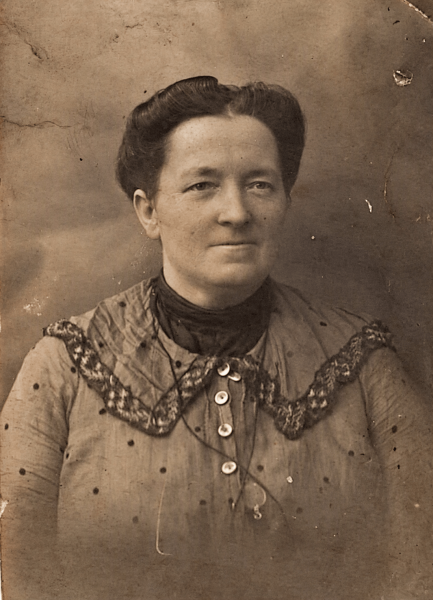
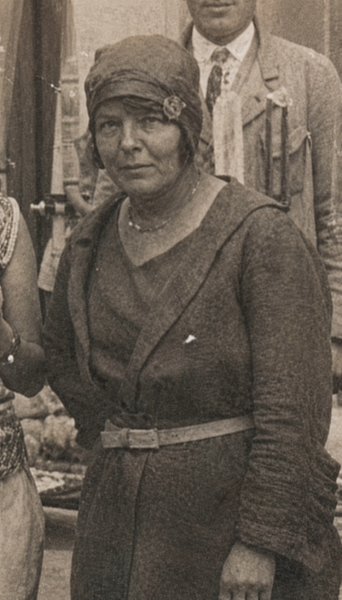
“My parents needed help after escaping from the ghetto. It was 1942. The winters were harsh, and I had a cold and needed care. They left me with their friends, Antonina Kraśnicka and her daughter Natalia Kosko. I was supposed to stay with them for a week, but I ended up staying for a lifetime”, recalled Barbara Lesowska, née Rochman, a Holocaust survivor, during the ceremony.
The title of "Righteous Among the Nations"has been awarded by the Yad Vashem Institute in Jerusalem since 1963. This is the highest civilian honour of the State of Israel and is bestowed upon people from around the world, who selflessly helped Jews, who were persecuted by Nazi Germany during World War II, risking their own lives in doing so.
To date, more than 28,000 people, from 51 countries, have received the "Righteous Among the Nations" medal and certificate of honour, including 7,318 Polish men and women (as at January 2024).
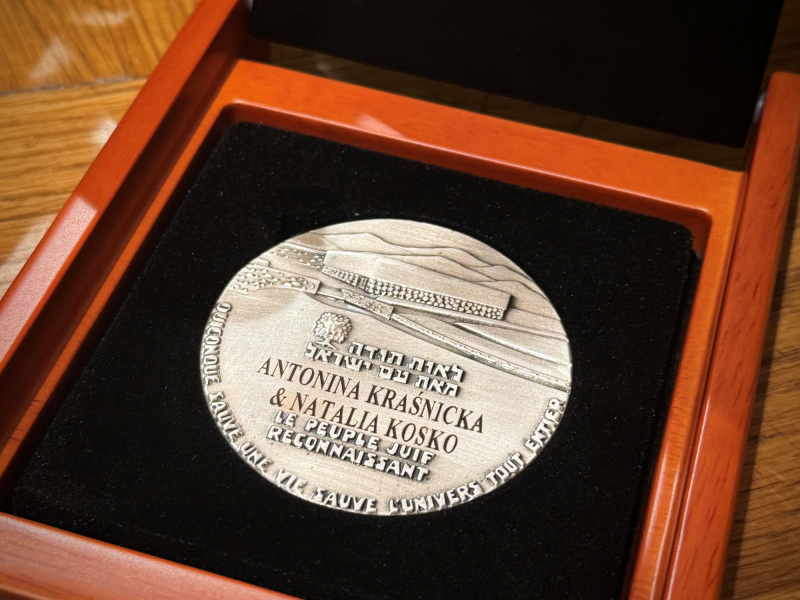
The medals bear an inscription derived from the Talmud - “Whoever saves a single life saves the world entire.”
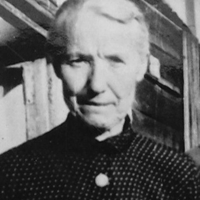
During the ceremony, held on 21st October 2026, Antonina Kraśnicka, née Kuryłowicz (1869–1944), and Natalia Kosko, née Kraśnicka (1892–1974), joined the ranks of the "Righteous Among the Nations". The venue for the ceremony was the Chamber Music Hall of the National Philharmonic in Warsaw. Barbara Lesowska accepted the medal and certificate of honour.
The ceremony was attended by "Righteous Among the Nations" Witold Lisowski and Helena Troszczyńska. Speakers included Yaakov Finkelstein, Ambassador of Israel to Poland, Dani Dayan, Chairman of Yad Vashem and Lech Parell, Head of the Office for War Veterans and Victims of Oppression. A letter from the President of the Republic of Poland, Karol Nawrocki, was read out Minister Wojciech Kolarski.
A Tribute to the Righteous
“I was seven months old, when I came to live with them. [...] It was a detached house with a garden. I had been taught, as soon as I started walking, that [whenever a stranger visited us] I should hide in the wardrobe all by myself, just like a little animal.
"Antonina was afraid because, as we know, during the war, she faced the death penalty, as did her daughter Natalia.
She went to her parish priest and told him that she had a Jewish child in her home and that she would not turn the child away. What should she do? The priest prepared documents establishing my identity [...]. I still rely on those forged documents to this day [laughs]”, recalled Barbara Lesowska during the ceremony.
Podczas okupacji niemieckiej Antonina Kraśnicka i jej córka Natalia Kosko mieszkały w Bełżycach na Lubelszczyźnie. W grudniu 1942 r. zaopiekowały się siedmiomiesięczną Basią Rochman, córką Mordki i Tauby Rochmanów, którzy wraz z dzieckiem uciekli z bełżyckiego getta. Basia miała pozostać pod opieką Antoniny i Natalii przez kilka dni, lecz rodzice nigdy po nią nie wrócili – zginęli podczas Zagłady.
During the German occupation, Antonina Kraśnicka and her daughter Natalia Kosko lived in Bełżyce, in the Lublin region. In December 1942, they took in seven-month-old Basia Rochman, the daughter of Mordka and Tauba Rochman, who had escaped, with their child, from the ghetto in Bełżyce. Basia was supposed to stay in Antonina and Natalia’s care for just a few days. However, her parents never returned for her - they had perished in the Holocaust.
Antonina Kraśnicka obtained false identity documents for Basia, in which the girl was registered as Natalia’s daughter. Following her mother’s death in September 1944, Natalia Kosko cared for Basia on her own.
After the war, Natalia decided that they would leave Bełżyce and move to Słupsk. She made this decision after she had learned that two Jews, who had survived the Holocaust and had returned to the town, were murdered. The murders were committed on 14th March 1946 by members of a unit of Zrzeszenie „Wolność i Niezawisłość”, WiN (the Freedom and Independence Association).
Read:
Read more:
- Attitudes of Poles towards Jews during the Holocaust (thematic overview) →
- The Death Penalty for Helping Jews in German-Occupied Poland (thematic overview) →
- Polish Attitudes towards the Warsaw Ghetto Uprising (thematic overview) →
- Zofia Kossak’s “Protest!” Appeal (1942) (thematic overview) →
- “Ten jest z ojczyzny mojej…” (“He Is from My Homeland…”) by Władysław Bartoszewski and Zofia Lewinówna (thematic overview) →
- Jews in Hiding on the “Aryan Side” (thematic section) →
- Educational and Expert Resource Pack: “In Hiding. Stories of Survivors and the Righteous” →
- Educational Film and Expert Discussion about Irena Sendler and Jadwiga Piotrowska →
- Educational Film and Expert Discussion about Jan and Antonina Żabiński →
- Interviews from the POLIN Museum Oral History Collection (YouTube channel) →