How Did Jews Hide During the Holocaust? Eighty-Five Years since the Death Penalty Decree
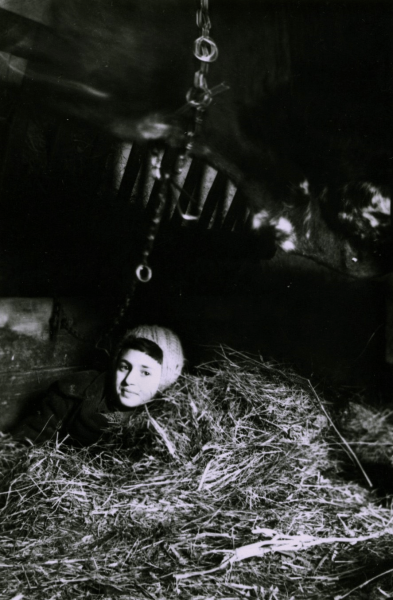
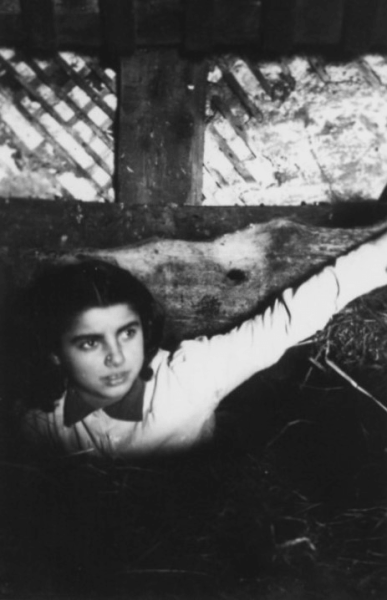








“Being forced to constantly lie down. We’ve been lying down for nearly five weeks now. It’s weakened us so such that we can no longer stand on our feet. We try to walk around in the little room downstairs, but we stagger like small children. [...]
An overwhelming, terrifying fear grips us at every opportunity, like when a dog barks or someone speaks more loudly in the courtyard [...]. And we sit in the hiding place, terrified, listening intently to sounds outside, our eyes wide open, gasping for air, breathless, with no sense of time, not eating or drinking, barely alive.
An overwhelming, terrifying fear totally engulfs us, like flames consuming an object drenched in petrol. It stretches our nerves to breaking point, plays havoc with them, torments us and drains us of all our strength,” wrote Irena Monis, who was in hiding, in her diary on 10th June 1943.
The German decree prohibiting Jews from leaving ghettos and prohibiting the provision of aid to Jews – a historical background
The decree “on the death penalty for Jews leaving the ghetto and on Poles providing them with assistance”, issued on 15th October 1941 in Kraków by Governor Hans Frank, was meant to totally isolate Jews from the “Aryan side” and to deprive them of any contact with the outside world. The proclamation stated:
“(1) Jews, who leave the district designated for them without authorisation, shall be subject to the death penalty. The same penalty shall apply to persons who knowingly provide shelter to such Jews.”
(2) Instigators and accomplices shall be subject to the same penalty as the main offender. Attempting such an offence shall be punished in the same manner as a completed offence. In less serious cases, a sentence of penal servitude or imprisonment may be imposed.
(3) Judgements shall be handed down by the Special Courts.”
In the months that followed months, decrees of similar wording were issued in all districts of the General Government. They determined the subsequent fate of Jews, who had not complied with the order to move into the ghettos or who had risked escaping to the “Aryan side”, after being confined within them.
The consequences of the decree, for residents of the General Government – Poles, as well as Belarusians and Ukrainians – who provided assistance to Jews, are discussed in detail in our article on the death penalty for helping Jews.
The largest wave of Jewish escapes from ghettos happened several months later, in the period before the deportations or immediately afterwards, during Operation “Reinhardt” in 1942–1943. The aim of this operation was the systematic murder, by the Germans, of the Jewish population of the five districts of the General Government (Warsaw, Radom, Kraków, Lublin and Galicia, and later also the Białystok District).
The deportations involved transporting the ghetto residents to extermination centres or murdering some of them on the spot. So as to survive the Holocaust, Jews were forced into hiding on the “Aryan side” or to assume a new identity.
We explore this experience in the thematic section Jews in Hiding on the “Aryan Side”, which was published on the Polish Righteous portal in 2021 and has since been expanded with additional material.
The authors of the articles, including Professor Barbara Engelking, Dr Marta Cobel-Tokarska, Dr Martyna Grądzka-Rejak, Professor Justyna Kowalska-Leder and Dr Natalia Romik, present both the wider historical context and the individual experiences of those in hiding.
We gain insight into their experiences through testimonies and diaries, as well as photographs, plans of hiding places and other artefacts from the POLIN Museum’s collection.
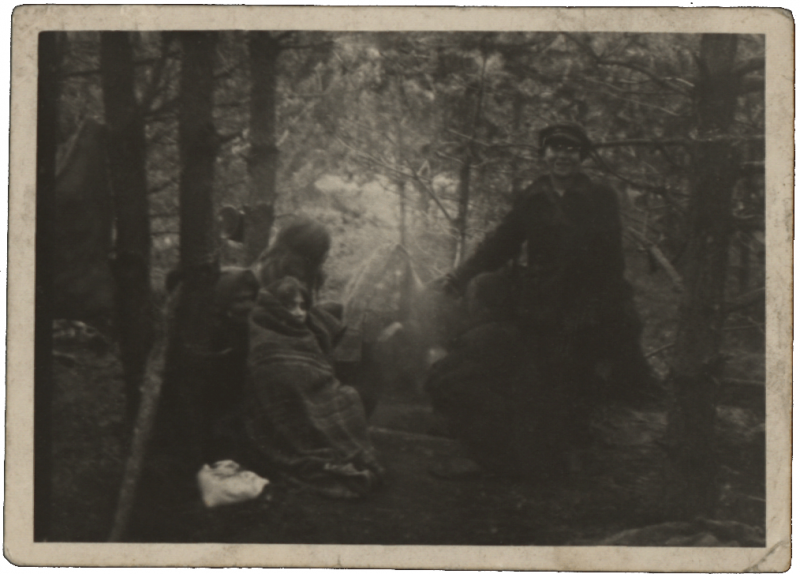
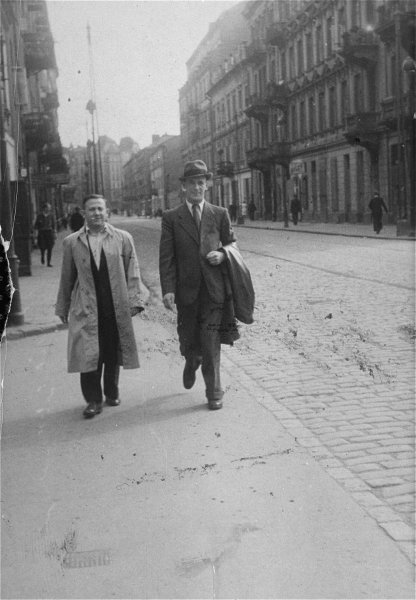
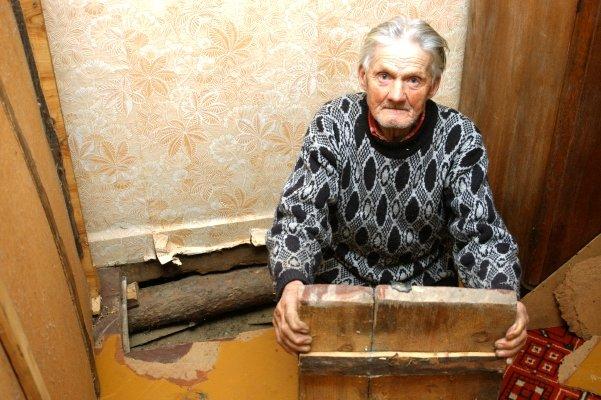
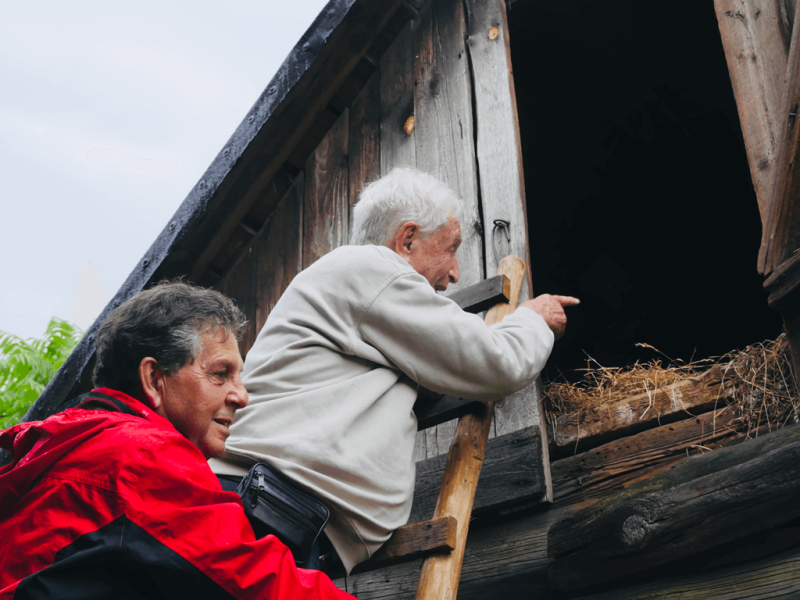
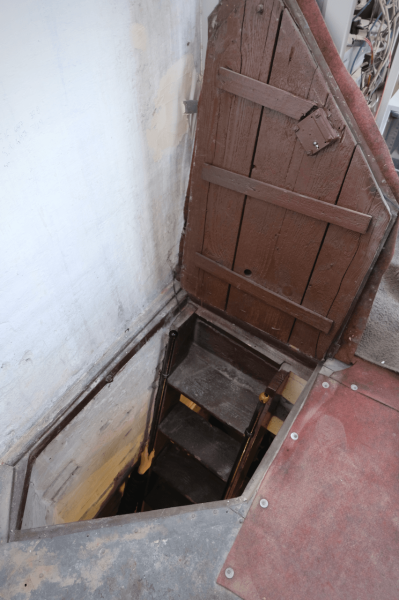
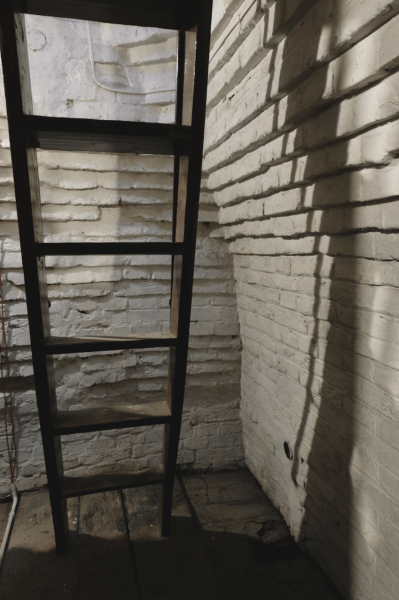
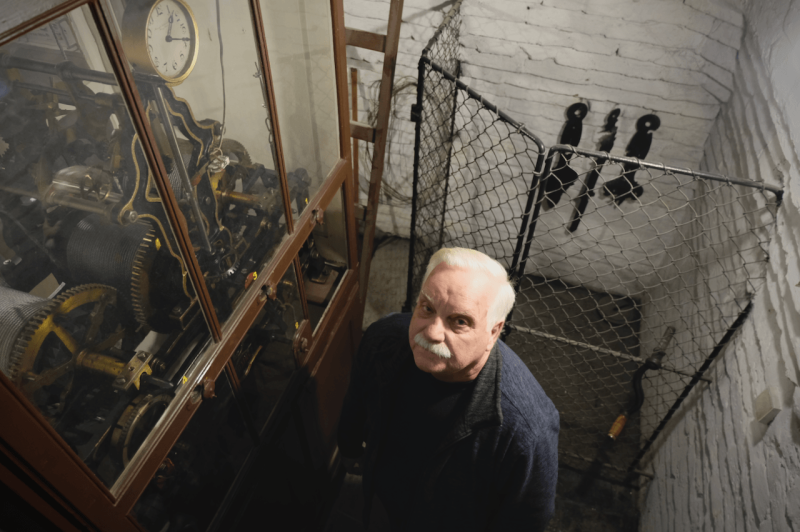
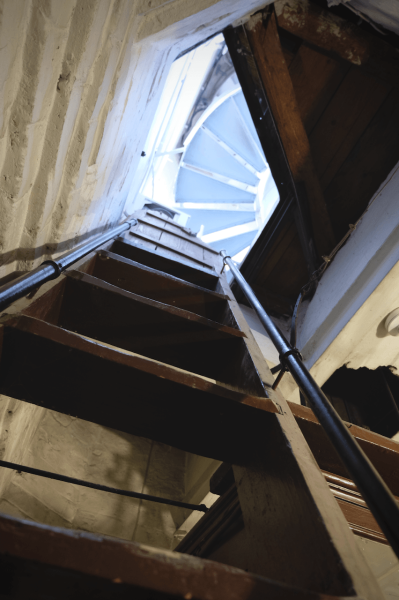
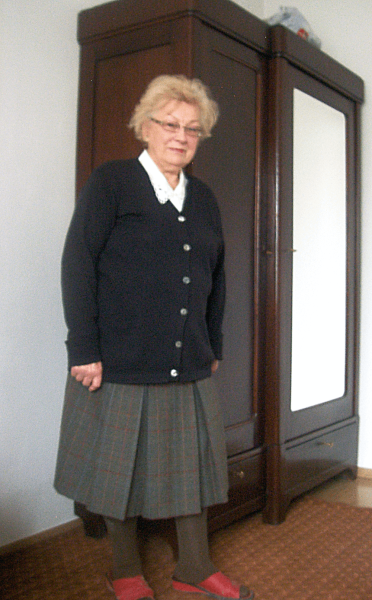
In the photo gallery at the top of this page, we present selected photographs showing, among other things, Jewish men and women in hiding, taken at the time and in the places in which they were hiding, as well as Holocaust-era hiding places preserved in Poland and a proclamation issued by the German occupation authorities concerning the death penalty.
Read:
- Thematic Section: Jews in Hiding on the “Aryan Side” →
- Jewish survival strategies on the “Aryan Side” →
- Jewish hiding places on the “Aryan Side” →
- How Jews hid in cities and towns →
- How Jews hid in villages →
- The everyday life of Jews in hiding →
- The architecture of Jewish hiding places during the Holocaust →
- Cemeteries as hiding places for Jews →
The death penalty for helping Jews – questions and answers:
- What was the aim of the Germans introducing the death penalty? The decree, dated 15th October 1941, was meant to isolate Jews completely from the non-Jewish population, prevent them from obtaining food, shelter and other forms of support, as well as to intimidate those willing to provide assistance. It formed part of the German policy of terror, which progressively deprived Jews of their rights, property and freedom of movement, led to their confinement inside ghettos and ultimately to their mass extermination.
- When were people particularly reminded of the penalties they faced? Further proclamations were issued particularly in 1942–1943, during the extermination of Jews from the General Government and the Białystok District, known as Operation “Reinhardt”. During the so-called “liquidation” of the ghettos and the deportation of Jews to extermination centres, the number of escapes and attempts to go into hiding on the “Aryan side” increased. The Germans responded by repeating their threats of punishment, organising manhunts for Jews in hiding and encouraging the local populace to denounce them to the authorities.
- How did the Germans find out about Jews in hiding? Hiding places were discovered during searches and manhunts, through accidental discovery or as a result of denunciations. Informers were driven by various motives antisemitism, wishing to seize property, financial gain, personal conflicts or fear of reprisals. The German authorities encouraged denunciations by offering cash rewards or goods, including food, alcohol and fuel.
- Was the death penalty always imposed? No. Depending on the location, period and type of the offence, the regulations imposed by the German occupation authorities were enforced in different ways. Punishments were imposed by German special courts, in absentia or without any trial whatsoever. Penalties included beatings, confiscation of property, imprisonment or forced labour deportation to concentration camps. German gendarmes and police officers murdered Jews in hiding and those who helped them on the spot, sometimes in front of their own homes and in full view of the local community. These executions served as an instrument of terror. There were also cases in which no punishment was imposed.
- Did the punishment extend to the whole family of the person providing the aid? Collective punishment was not imposed in every case where aid to Jews was discovered. But, there were instances in which the Germans murdered not only the person directly involved in hiding Jews, but also their children, relatives and/or neighbours. This was the case, among others, with the Ulma family from Markowa and the Kowalski family from Stary Ciepielów. The form of repression often depended on the arbitrary decisions of officials of the German apparatus of terror.
- Did the death penalty for aiding Jews apply in all occupied Polish territories? There was no single decree that applied in an identical form in all the territories of occupied Poland. The decree, dated 15th October 1941, applied to the General Government which, at that time, consisted of five districts. In the Polish territories, which were included directly into the Third Reich, no decree was issued introducing the death penalty for aiding Jews, although prohibitions and warnings were published locally. Those, who provided aid, were subjected to reprisals. The regulations and the manner in which they were enforced varied from place to place.
- Did the death penalty for aiding Jews apply exclusively in occupied Poland? No. The harshest reprisals for hiding Jews were also imposed in other territories of central and eastern Europe, which were controlled by Nazi Germany, including the Reich Commissariat of Ukraine, the Reich Commissariat of Ostland and occupied Serbia. Research into the legal basis for these penalties and how they were imposed in individual countries remains incomplete. In western European countries, providing aid to Jews was also punishable, but deportation to a concentration camp was the more common result, rather than on-the-spot execution.
- How many Poles were murdered for providing aid to Jews? To date, the exact number has not been determined. In the most recent study, published by the Institute of National Remembrance, authored by Dr Martyna Grądzka-Rejak and Dr Aleksandra Namysło (Reprisals for Helping Jews in the Occupied Polish Territories During World War II, Warsaw 2019), 333 cases of repression were documented, involving a total of 654 people. Of these, 341 lost their lives (e.g. in concentration camps), while 258 were executed, being shot by the Germans. Researching is continuing.
Why is this still worth discussing?
In the POLIN Museum, we tell history not just for the sake of the past, but as a starting point for discussing the challenges which we face today – we present the history of Polish Jews as a living history, which remains relevant today. The Righteous remind us that, even in the darkest of times, there have always been, and continue to be, people who defend the rights and dignity of others – often at the risk of their own safety.
In 1921, we have published the thematic section Jews in Hiding on the “Aryan Side”, when Poland was struggling with a humanitarian crisis on its border with Belarus. Those events prompted us to consider the experiences of Jewish men and women seeking help, as presented on the portal, from a wider, more universal perspective.
“I deeply believe that, today, in Usnarz Górny, there is a Mrs Wyrzykowska saving people and that we will never hear about her. […] I am deeply convinced that somewhere, in secret, a Mrs Wyrzykowska is hiding them in a concealed space under a pigsty, in a barn, guiding them along back roads to somewhere, to a place where they will be allowed to live”, said Konstanty Gebert, during a commemoration ceremony at the Warsaw Garden of the Righteous on 23rd September 2021, recalling the story of Antonina Wyrzykowska, a Righteous Among the Nations.
Today, as war continues beyond Poland’s eastern border – in Ukraine – the stories we tell take on a new significance. They show that, in every crisis, a great deal depends on human solidarity, mutual trust and a willingness to help others. We cannot compare such different historical experiences with those of the present day, but we should consider this history as both a warning and a call to take responsibility for the fate of others. This is the kind of remembrance we cultivate at POLIN Museum – active, demanding and requiring a sense of responsibility.
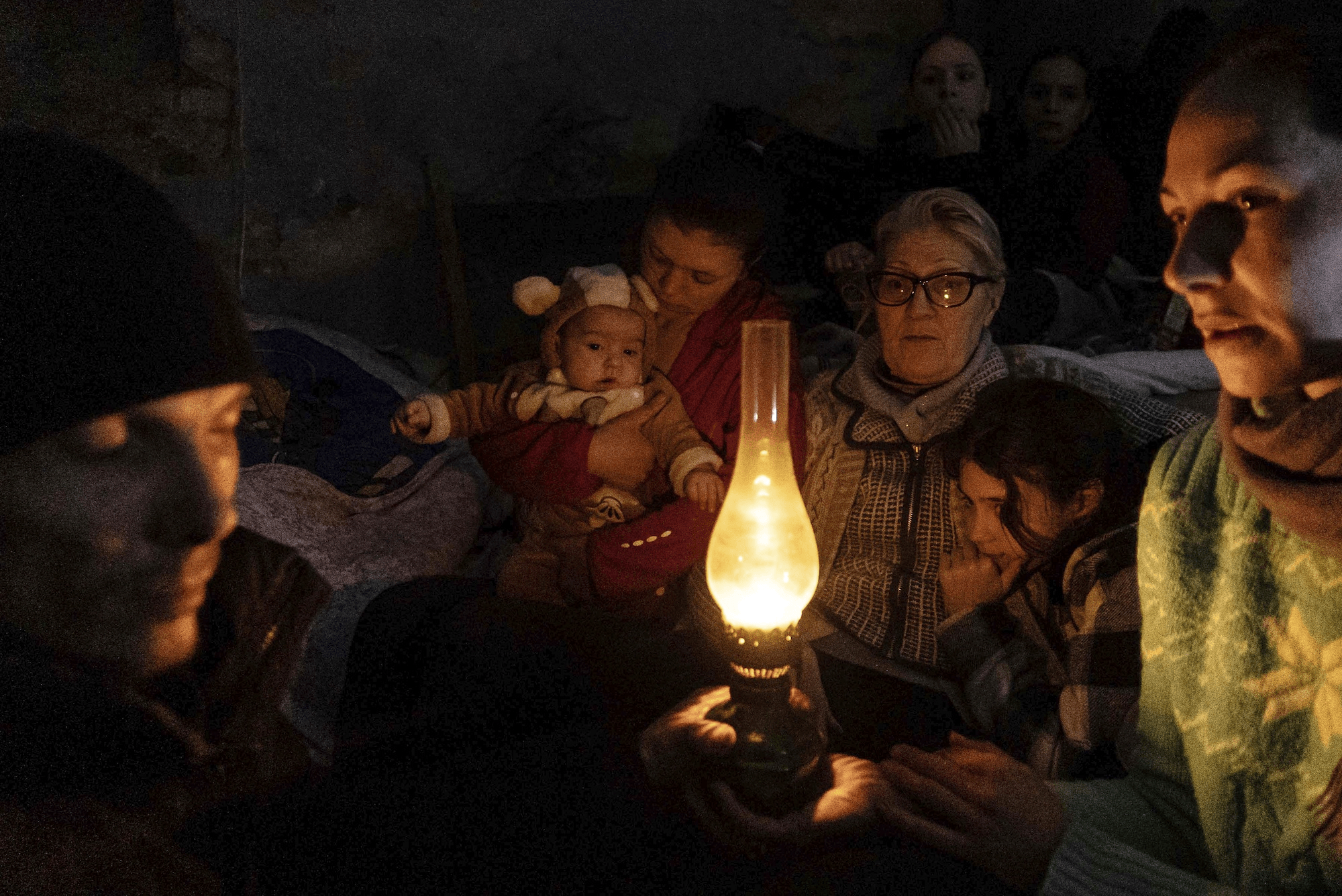
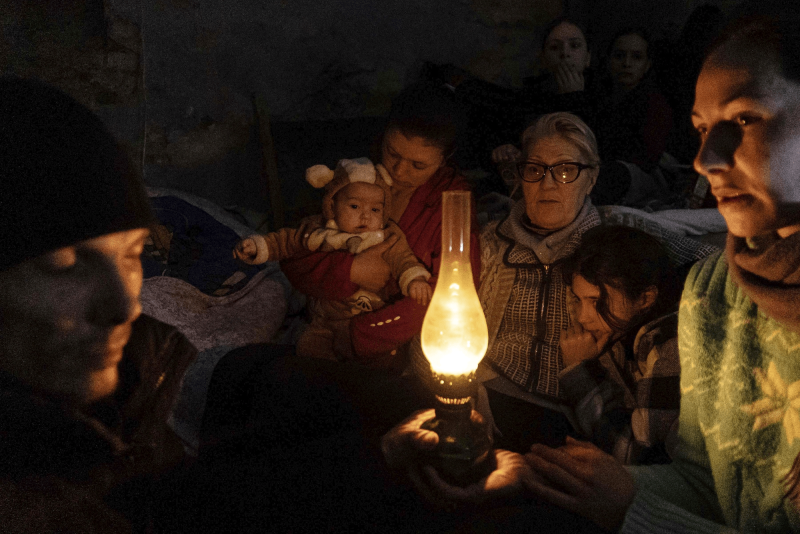
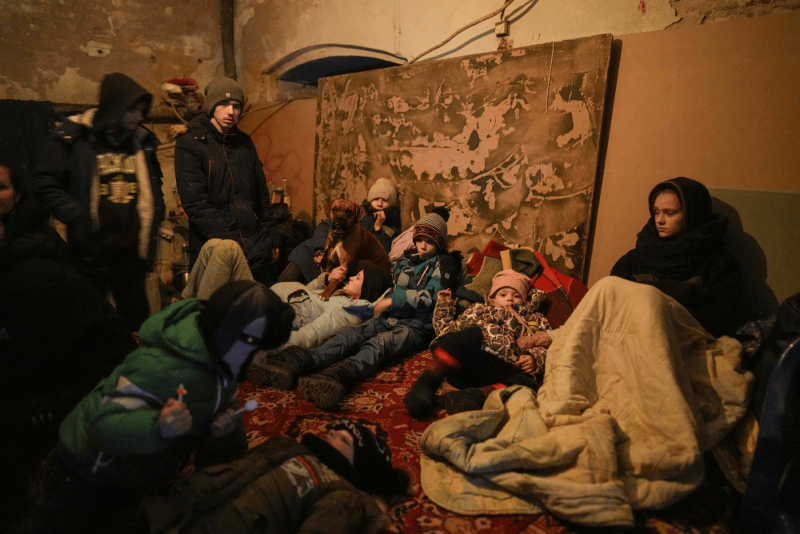
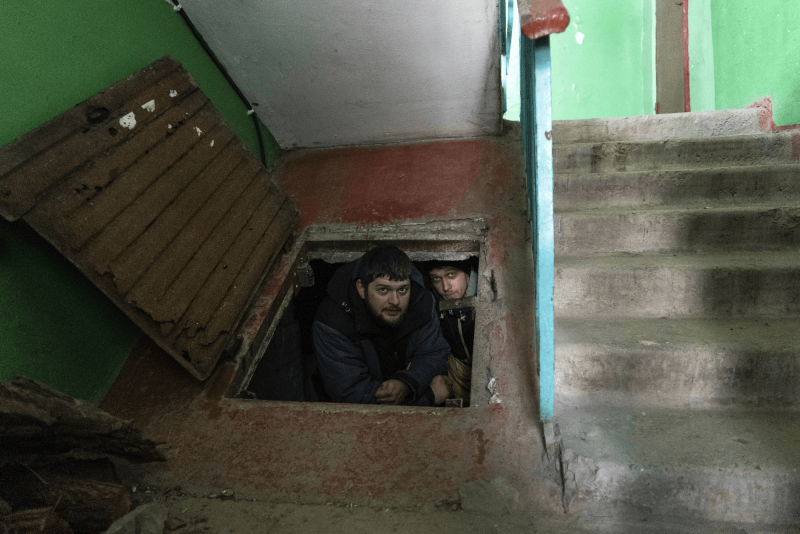
Photograph (⇧): People sheltering during Russia’s invasion of Ukraine, Mariupol, 06/03/2022. Source: Evgeniy Maloletka / Associated Press, East News. Click in order to view an interview from the POLIN Museum’s oral history collection.