83rd Anniversary of the “Żegota” Council to Aid Jews


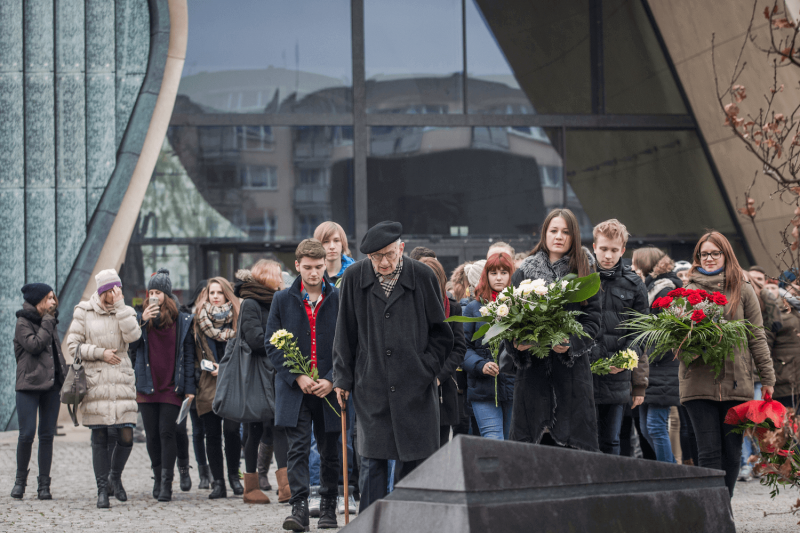




“It was the first organisation in which Zionists, Bundists, Catholics, Polish democrats, Polish socialists and peasants, both Jews and Poles, sat together at one table, in a conspiracy against the Germans”, wrote Władysław Bartoszewski (1922–2015), a member of the Council to Aid Jews, honoured after the War with the title of Righteous Among the Nations.
“Żegota” was established, in Warsaw, on 4th December 1942, continuing the mission of the social Committee to Aid Jews, established a few months earlier by Zofia Kossak and Wanda Krahelska-Filipowiczow.
The activities of “Żegota”, conducted until January1945, consisted mainly of providing financial support to Jews in hiding, organising hiding places, finding work and supplying them with false documents. Those for whom they cared were both adults and children.
The first chairman of the Council to Aid Jews, from January 1943 to February 1944, was Julian Grobelny (1893–1944). The work of the Council to Aid Jews was streamlined through a division into departments, including documentation and legalization, finance, housing, anti-blackmail, propaganda, children’s aid, medical, and clothing departments. In the spring of 1943, two regional branches of the Council were also established — in Kraków and in Lviv.
Read more:
- History and activities of the Council to Aid Jews “Żegota” →
- Biographies of members of the Council to Aid Jews “Żegota” →
- Activities of the Kraków branch of the Council to Aid Jews “Żegota” →
- Objects from POLIN Museum collection related to the Council to Aid Jews “Żegota” →
It is not possible to precisely determine the scale of help provided by “Żegota” – how many Jews were saved. It is impossible to determine just how many of these rescue activities were successful. It is known that “Żegota” supplied circa 50,000 false documents to those under its care. Initially, 300 people benefited from its financial support. At the end of 1943, it was 2,000 and, in the summer of 1944, circa 4,000.
However, it should be remembered that the establishment of “Żegota” took place at a time when the mass deportations of Jews from the ghettos to extermination camps, organised by the Germans, were already coming to an end.
New on the Polish Righteous portal
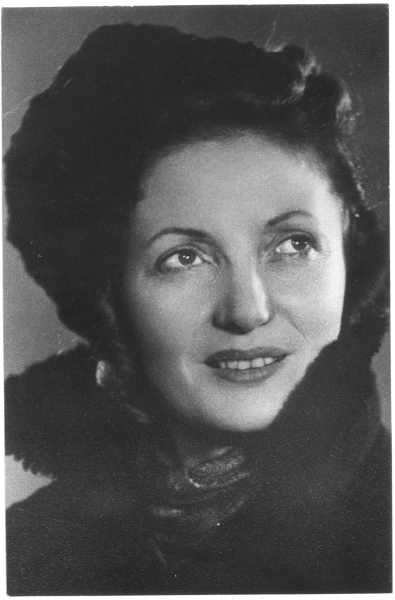
This year marked the 130th anniversary of the birth of Władysława Larysa Chomsowa (1895–1966), known by the pseudonyms “Dionizy” and “Danuta” — a social and political activist, chair of the presidium of the Lviv branch of the Council to Aid Jews, and after the war honored with the title of Righteous Among the Nations. In 2026, the 60th anniversary of her death will be observed.
We dedicate the latest publication on the Polish Righteous portal, devoted to the activities of “Żegota” in Lviv, to the memory of this remarkable woman. As noted by the author of the article and a researcher of this still little-explored subject, Bartosz Heksel:
“Relatively few materials concerning the Lviv branch of the Council to Aid Jews ‘Żegota’ have survived. While part of the documentation of the Kraków branch was preserved thanks to copies of reports sent to the Regional Delegate of the Government-in-Exile at Home and to the chair of the Council in Warsaw, in the case of the Lviv ‘Żegota’ only brief references to its activities remain, primarily concerning Władysława Larysa Chomsowa and the rescue operation for Jewish children that she led.”
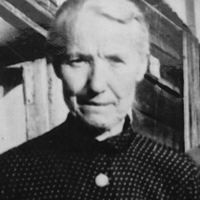
The text is illustrated with archival photographs depicting members and associates of the Council to Aid Jews in Lviv (selected images are also presented in the gallery at the top of this page). The article is further complemented by biographical interviews with individuals who survived the Holocaust in Lviv, drawn from the oral history collection of the POLIN Museum of the History of Polish Jews.
See more about this topic:
- The attitudes of Poles towards Jews during the Holocaust [a thematic work] →
- Situation of Jews in occupied Poland →
- Zofia Kossak appeal “Protest!” in 1942 (thematic study) →
- Monograph – “This is my homeland…” by Władysław Bartoszewski and Zofia Lewin (thematic study) →
- Jews in hiding on the “Aryan side” [a thematic tab] →
- Jews helping other Jews on the “Aryan side” [a thematic cover] →
- Discussion cycle marking the 15th anniversary of “The Polish Righteous – Restoring Memory” project →
- Educational and expert material: “In hiding – the stories of Survivors and the Righteous” →
- Educational film and discussion with experts regarding Irena Sendler and Jadwiga Piotrowska →
- Educational film and discussion with experts regarding Jan and Antonina Żabiński →
- Interviews from POLIN Museum’s Oral History Collection [YouTube channel] →