Henryk Sławik Remembered in Budapest
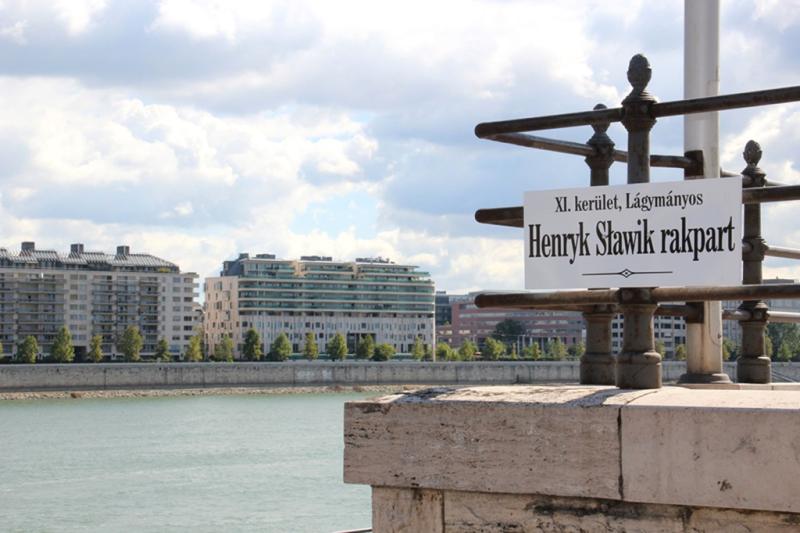
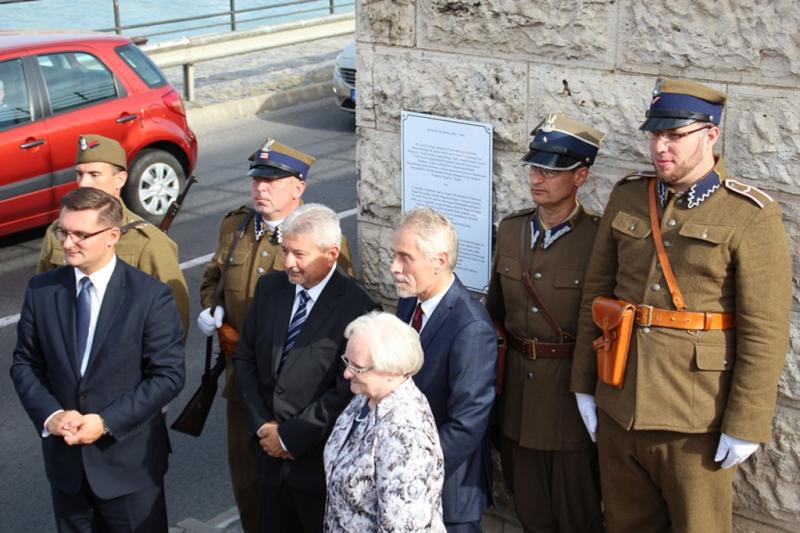
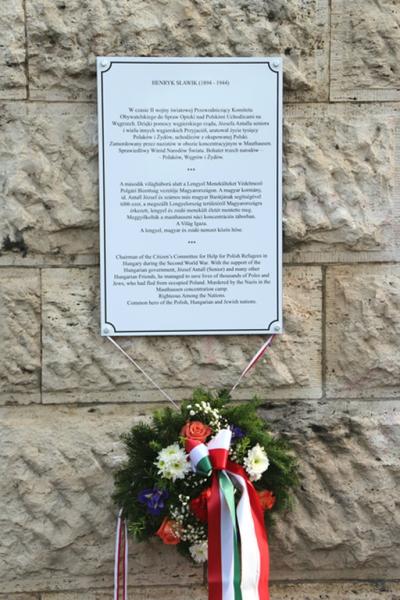
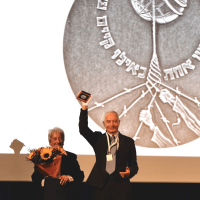
During the ceremony, a memorial plaque was unveiled by the Lord Mayor of Budapest, István Tarlós, in the presence of the Polsih Ambassador to Hungary Roman Kowalski, Polish Senator Marek Konopka (representingi the Marshall of the Senate Bogdan Borusewicz), Sławik's grandson Zbigniew Kutermak and Marcin Krupy, Mayor of Katowice, the city with which Sławik is most connected. Members of the local diplomatic corps and local Polish community also took part in the event.
During his address, Budapest Lord Mayor István Tarlós quoted one person who was rescued by Sławik, "His actions and his presence gave us strength in dark times and in the face of despotism. Let us teach our children and friends that good people like Henryk Sławik do exist in this world".
Ambassador Roman Kowalski added, "I am very pleased that we are able to celebrate this quay being named in Henryk Sławik's honour on this day, the 18th September, seventy six years after the first Polish refugees were welcomed onto Hungarian soil".
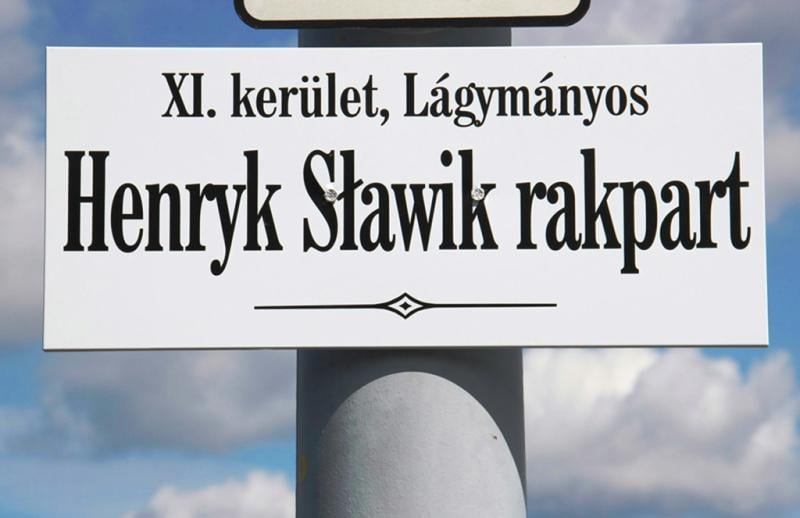
Since 2010, Budapest quays along the Donau River have been named after people who, during World War II, helped those who were persecuted and in need (such as the 120,000 refugees from Poland). The Budapest City Council decided to honour Henryk Sławik on the initiative of the Polish Ambassador to Hungary.
Henryk Sławik (1894-1944) came from the village of Szeroka, now a district of Jastrzębie Zdroj. After it became a part of the Polish province of Górny Śląsk, Sławik became a journalist in Katowice. He also served on the City Council, was Chief Editor of the Catholic "Gazeta Robotnicza" (Workers Gazette), was a long-serving member of the provincial parliament, a delegate to the League of Nations and a union activist.
Following the outbreak of World War II, he reached Hungary via Rumania. There, he became president of the Civic Committee to Help Polish Refugees in Hungary. He was also a representative of the Polish Government-in-Exile.
He saved around 5,000 Jews in Hungary, arranging false documents for them on the basis of baptismal certificates. He also organised an orphanage for Jewish children.
He was arrested in July 1944 following German entry into Hungary. He was interrogated by the Gestapo in Budapest, after which he was sent to the camp at Mauthausen. He was shot on the 25th or 26th August 1944.