The case of Khaled Abdul Wahab
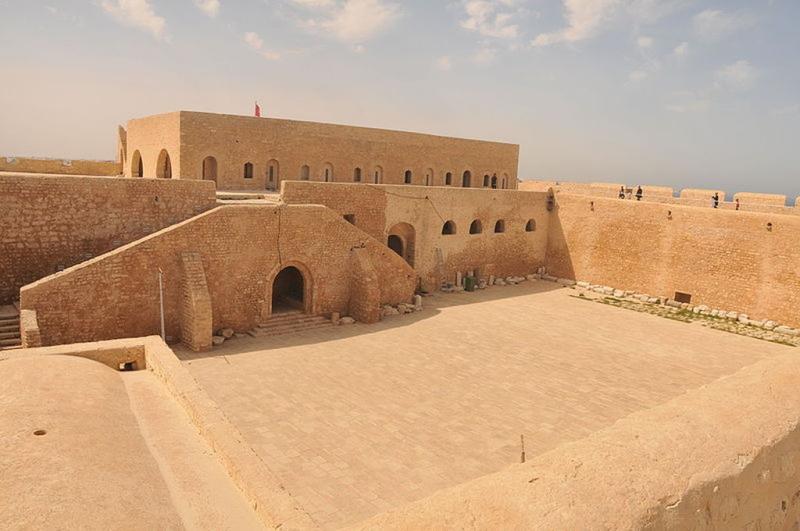
The Nazis occupied the town in the fall of 1942. The local Jews were marked with armbands with the Star of David. Some of the women – in spite of the official prohibition on sexual contacts between German soldiers and Jewish women – were probably forced to work in a brothel for soldiers of Africa Korps, and men were imprisoned in labor camps.
Khaled Abdul Wahabdecided to help his Jewish friend Jakub Buchris. He took on his farm the whole Buchris family and their friends – 25 people in total. He had been hiding them for a few months, until the Allies dove the Germans from Tunisia.
The Yad Vashem Commission carefully examined Wahab’s case. They managed to find witnesses of the events of that time.
In spite of that fact, Wahab cannot be honored by Yad Vashem with the title “Righteous Among the Nations” for saving Jews during the Second World War, because he does not meet the criteria of Yad Vashem. (Read about the procedure and criteria adopted by Yad Vashem here).
This is how Irena Steinfeld, director of the Rightous Department of Yad Vashem, commented on this case: “We do not have any prejudice against the Arabs. Wahab’s case simply doesn’t meet our criteria (…).
The title can be given to someone who, saving Jews, risked his own life. It wasn’t like that in Wahab’s case (…). The situation in Northern Africa was completely different than in Europe. The occupation of Tunisia only lasted a few months and Jews weren’t deported from there. There wasn’t any punishment for helping them.
Therefore, we cannot perceive Wahab, who was certainly a noble man, in the same way as we perceive Poles who risked to be killed for saving Jews”.
More about the story of Khaled Abdul Wahab on the website of the Raoul Wallenberg Foundation i United States Holocaust Memorial Museum.
Read an article about this case in „The Guardian”.