85th Anniversary of the Closure of the Kraków Ghetto
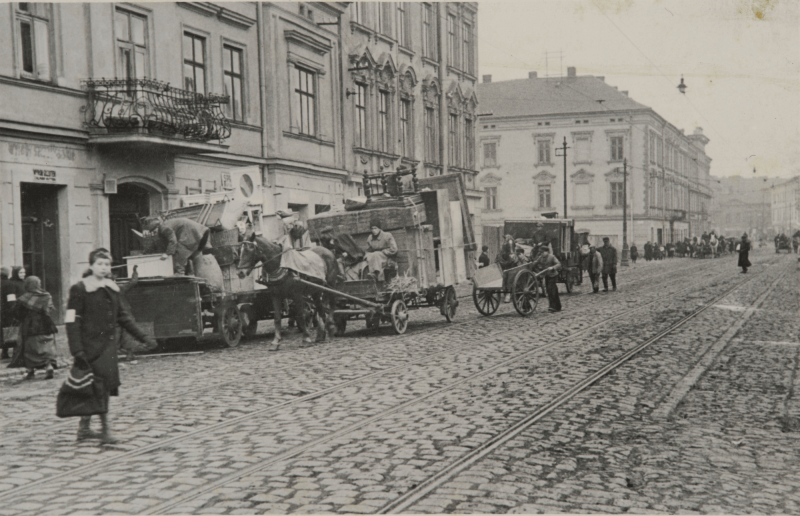
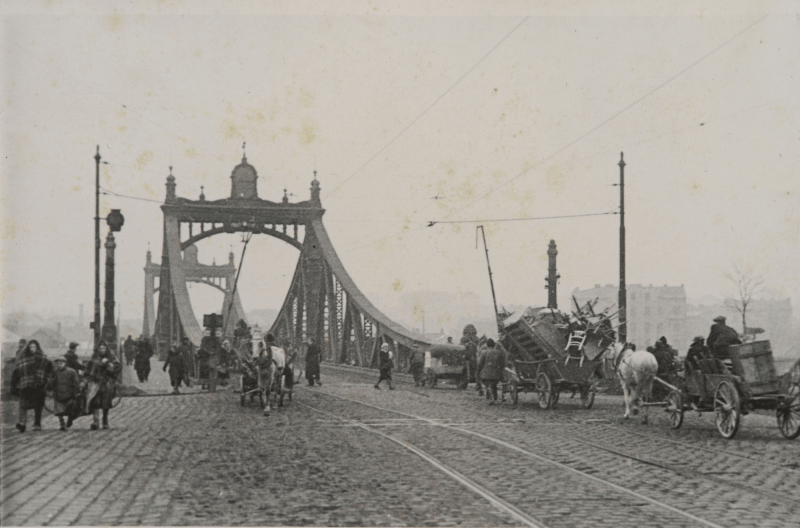
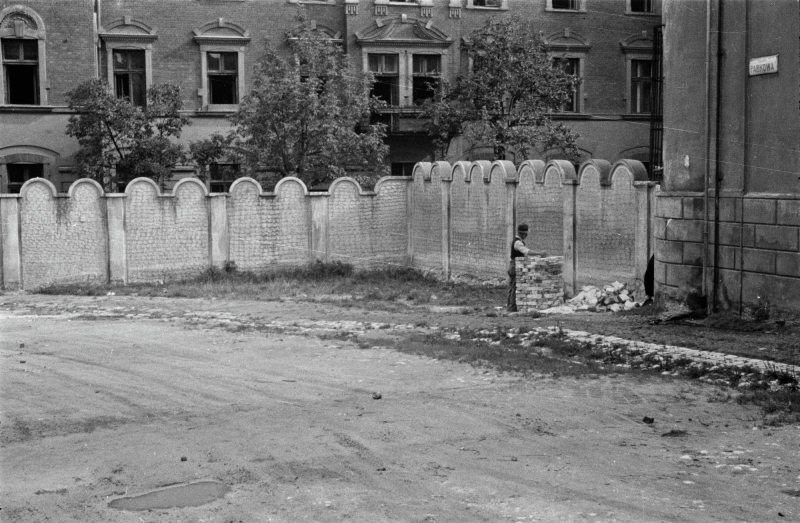
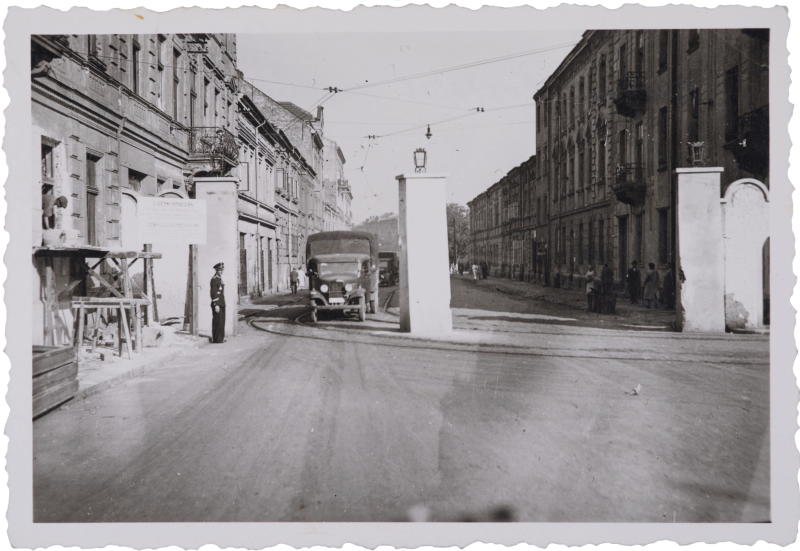
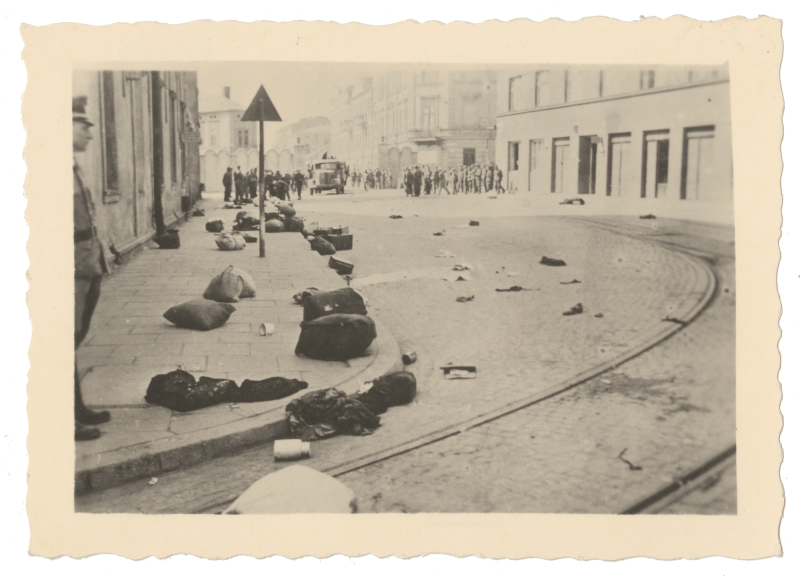
The Kraków Ghetto was established by the General Government authorities in March 1941, by order of the governor of the Kraków District, Otto Wächter.
Since the spring of 1940, the Germans had already been attempting to resettle Jews from Kraków . It is estimated that around 50,000 people were forcibly deported from the city. They were sent to various places, mainly within the Kraków area, but also to the Lublin and Radom areas.
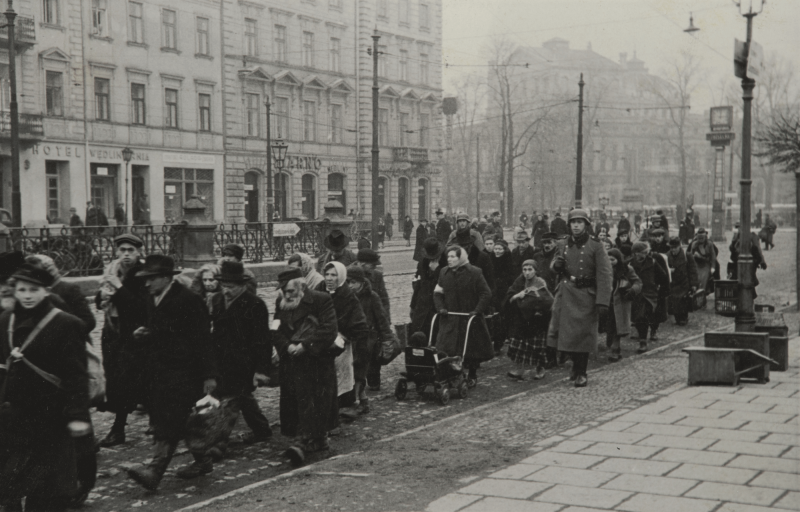
The “closed district” was established in Podgórze, rather than in nearby Kazimierz, where the majority of Jews had previously lived. All Jews were required to move into the new location by the non-negotiable deadline of 20th March 1941, while the Poles, who lived there,were forced to leave their homes.
The ghetto covered an area of approximately 20 hectares, which included 320 buildings and houses, in which an estimated 15,000 to 20,000 Jews lived over the following two years. Two years later, in March 1943, the Germans began the ghetto's liquidation.
Marking the 85th anniversary of the Kraków Ghetto closure, we have prepared a selection of historical studies from the knowledge portals of the POLIN Museum of the History of Polish Jews.
Among them, we have chosen ten stories of survivors, both adults and children. These include stories of those, who survived thanks to the help of others, as well as accounts of Jews who - despite the threat to their own lives - rescued their families, friends or even complete strangers, demonstrating extraordinary courage.
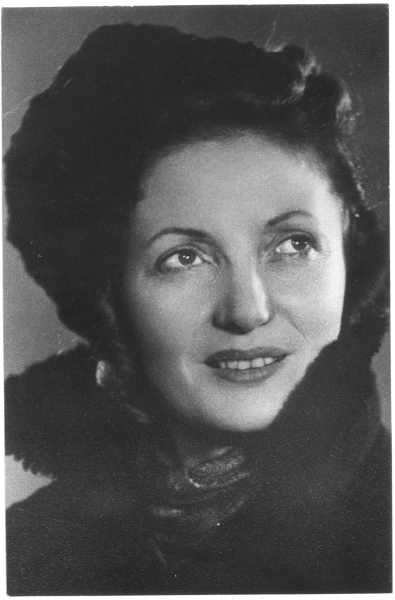
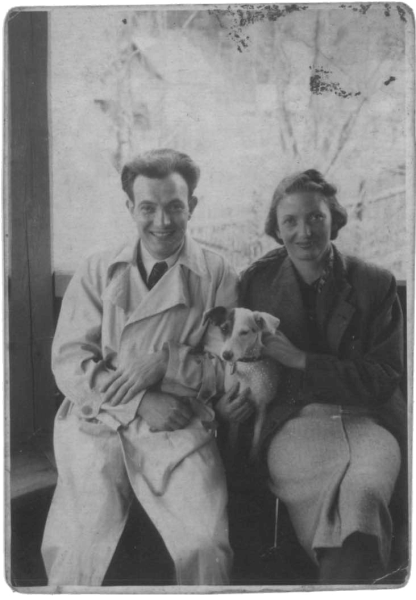
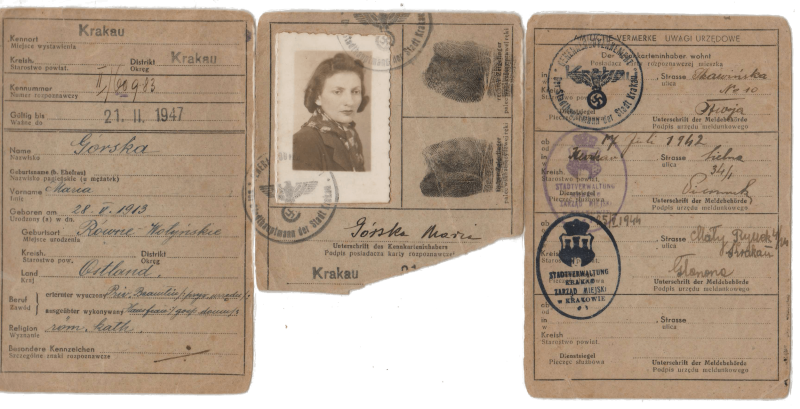
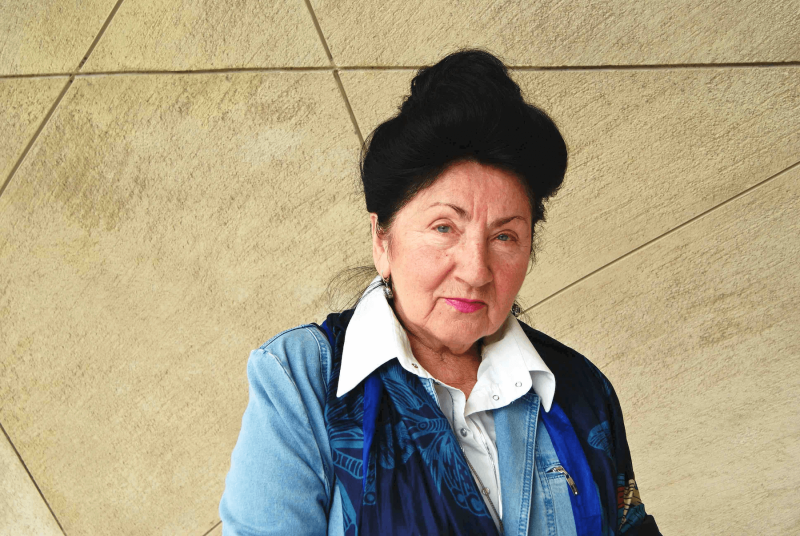
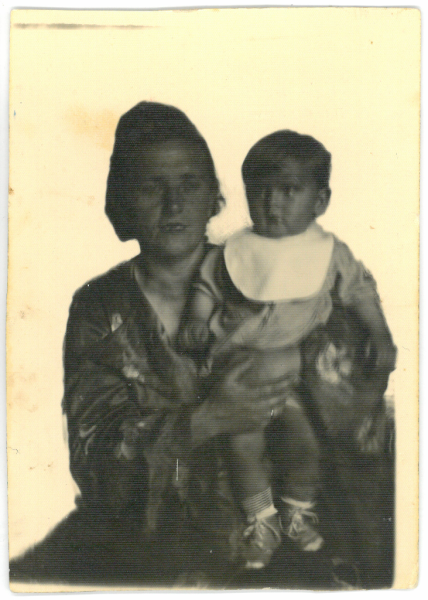
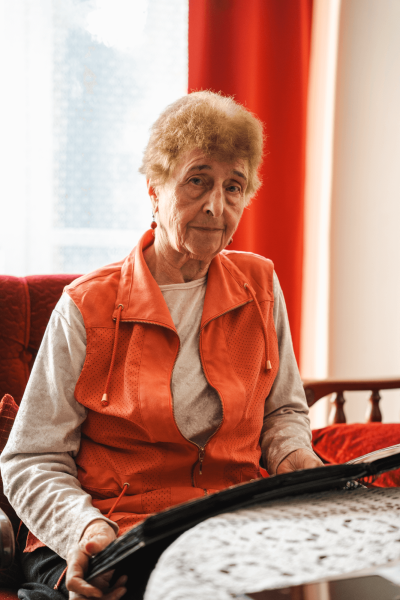
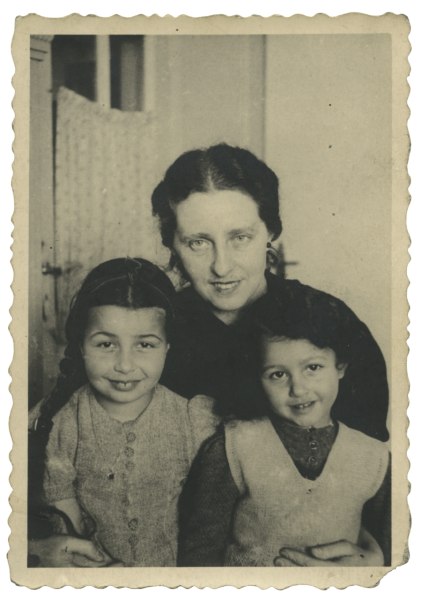
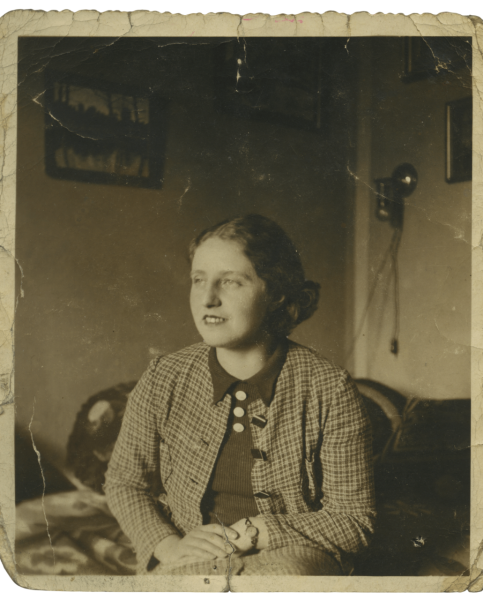
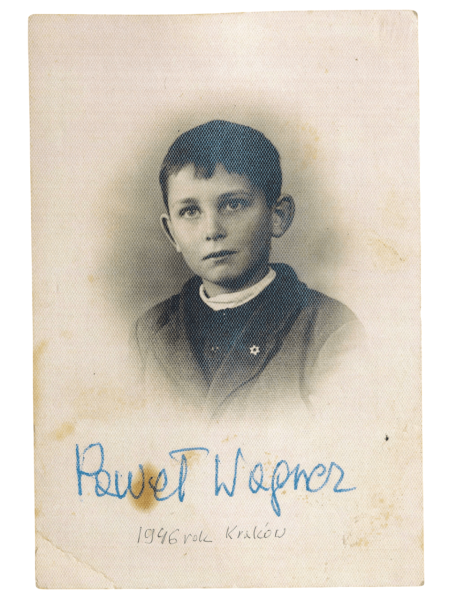
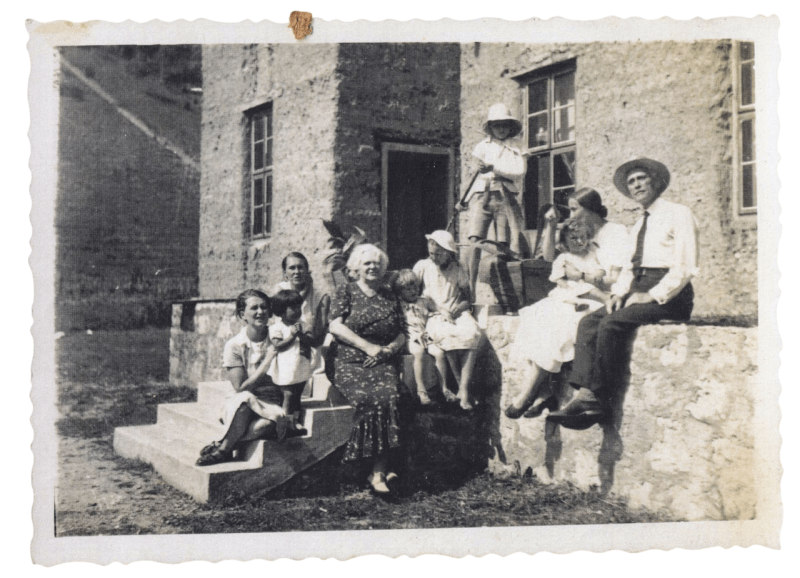
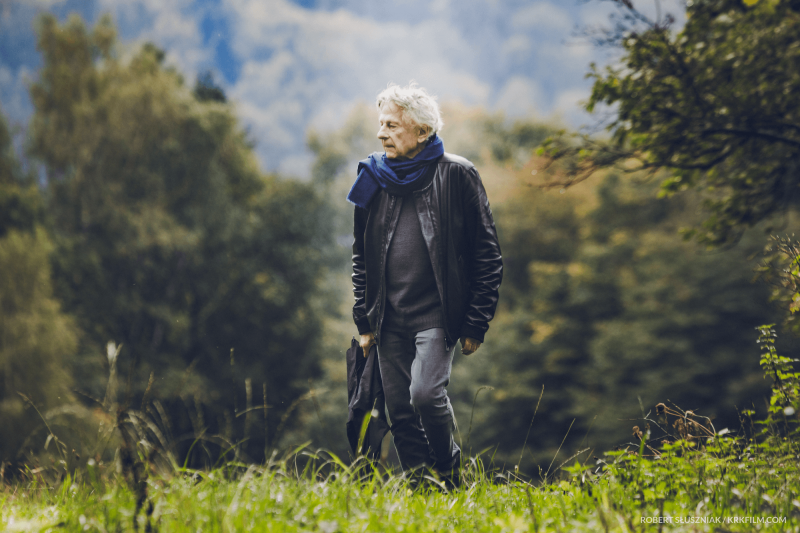
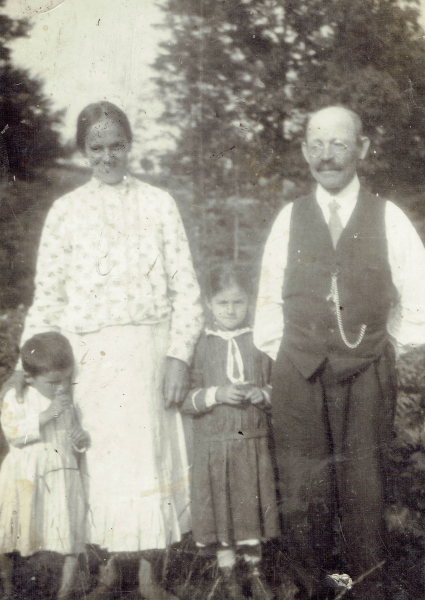
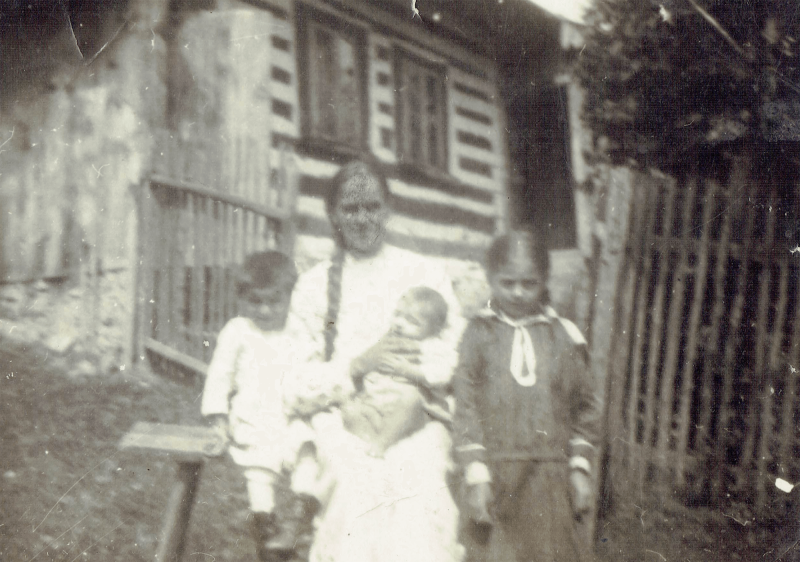
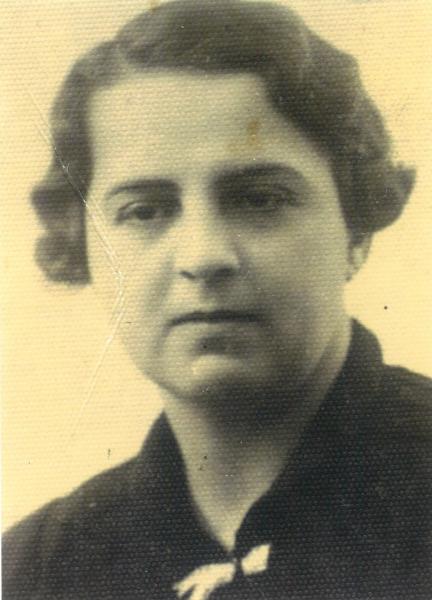
In the gallery, at the top of the page, we present photographs which include depictions of the resettlement of Jews to the ghetto in Podgórze in March 1941, as well as images of individuals. who survived the Kraków Ghetto or were connected with Kraków, whose stories we present below in selected accounts of aid.
The newest historical information:
- The history of the Kraków Ghetto on the Virtual Shtetl portal →
- Portrait photograph of Benzion Grossbart from the Kraków Ghetto from the Collections portal →
- The Kraków branch of the "Żegota" Polish-Jewish Council to Aid Jews on the Polish Righteous portal →
- The testimony of Janina Rościszewska-Krawczyk from the POLIN Museum’s Oral History collection →
- Kraków and Kazimierz – a POLIN Museum educational film →
Stories of Aid:
- Maria Hochberg-Mariańska (Miriam Peleg), who saved herself and other Jews →
- Monika Goldwasser, rescued by her parents Adam and Salomea Goldwasser and by Maksymilian and Anna Kamińskię
- Anna Janowska-Ciońka, rescued by her mother Alicja Kleinberg and Marian Sikorski →
- Roman Polański, rescued by his father Mojżesz Liebling and by Jan and Stefania Buchała →
- Miriam Koszuzki, rescued by her mother Szlomit and Katarzyna Krystian-Zabierzowska →
- Zofia Liebeskind, saved with the help of Józef Balwierz →
- Mosze Rotbard, with his wife Chawa and their four children, rescued with the help of Henryk Pstrusiński →
- Tadeusz Pankiewicz – pharmacist, owner of the “Under the Eagle Pharmacy” in the Kraków Ghetto →
- Stanisław Wincenty Dobrowolski - head of the Kraków branch of the “Żegota” Council to Aid Jews →
- Tadeusz Seweryn – member of the Kraków branch of the “Żegota” Council to Aid Jews →
Read and view more:
- The attitudes of Poles toward Jews during the Holocaust [a thematic study] →
- The death penalty for helping Jews in occupied Poland [a thematic study] →
- Jews in hiding on the “Aryan side” [a thematic section]] →
- Jews helping other Jews on the “Aryan side” [a thematic section]] →
- Interviews from the POLIN Museum’s Oral History Collection [YouTube channel] →