
Meetings with Claude Lanzmann
The next meeting, which was supposed to take place in Łódź on Tuesday, November 9th at 6:00 pm, was cancelled due to health problems the author has encountered.
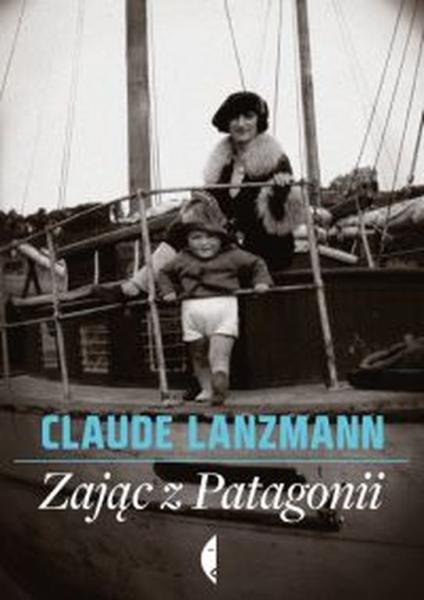
The book “The Patagonian Hare” was published by Wydawnictwo Czarne. It is the autobiography of the famous director, author of the films „Israel, Why” (1972), „Shoah” (1985), and „Sobibor” (2001).
Lanzmann became famous thanks to the nine-hour-long documentary „Shoah”, which played an extremely important role in the popularization of the subject of the Holocaust and changed forever the way of thinking and speaking about the extermination of Jews. The works on the film lasted 12 years, the montage 5 years, and the documentation was collected in 14 countries.
Lanzmann conducted interviews with witnesses of the Holocaust – Jews, Poles and Germans. In his film he presented places connected with the Holocaust, among them former concentration camps and areas of deportation. The director received many awards and distinctions.
Lanzmann’s newest film “Rapport Karski” (“The Karski Report”) is devoted to Jan Karski, legendary emissary of the Polish Underground State, witness of the Holocaust, honoredwith the title “Righteous Among the Nations” in 1982.
The film, constituted of excerpts from an interview given by Karski in 1978 during the shooting of the „Shoah”, is supposed to be a polemic with Yannick Haenel’s book „Jan Karski”, published in 2009.
The book “The Patagonian Hare” is the director’s autobiography. The following words can be read about it in the publisher’s materials: “Lanzmann’s unparalleled intelligence, his curiosity and adventurer’s temperament are the reason why we read his book with bated breath. (…)
Lanzmann saw and experienced a lot. As member of the underground movement during the Second World War, and later as an ardent advocate of the independence of Algeria. As friend of Jean-Paul Sartre, Gilles Deleuze and partner of Simone de Beauvoir. (…)
In his book great history is intertwined with personal experiences. Lanzmann is crying »in admiration for the human genius«, watching the landing on the Moon, and the plaque with the name of the village of Treblinka moves him far more than the death camp itself. The sight of a hare squeezing under camp wires suspended too low to enable a man escape that way. This book is a work of a life which followed the fascinating and difficult courses of the 20th century history”.
As Tadeusz Słobodzianek writes about this book: „Lanzmann’s »Shoah« was first. He was the first to uncover the falseness, hypocrisy and piousness of anti-Semitism. In his book he describes in a fascinating way how the film was shot. He describes the pain accompanying the creation of the film, as well as its final effects. Us, Poles, should inspect ourselves in this mirror from time to time”.