120th anniversary of the birth of Zofia Kossak-Szczucka
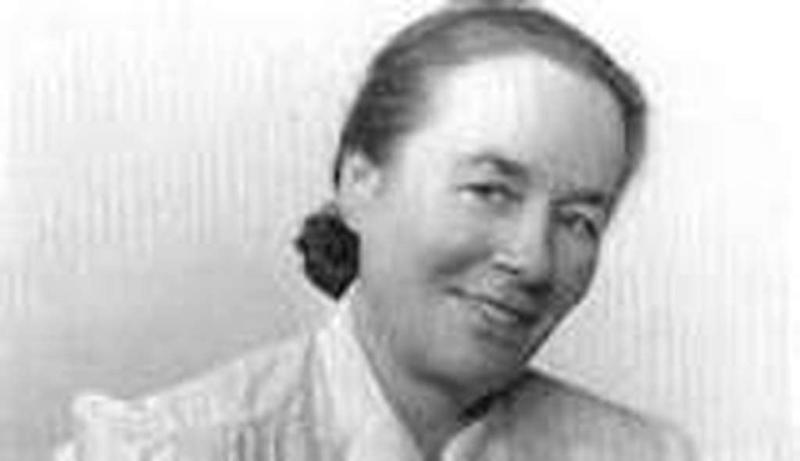
Zofia Kossak-Szczucka was born in 1889 in Kośmin. She spent her childhood and youth in the Lubelskie province and in Volhynia. Between 1912 and 1913 she studied at the Warsaw School of Fine Arts and then she continued her studies in Geneva. Her first short stories appeared in this period in the magazine “Wieś i dwór” (“Village and Manor House”). In 1915 she married Stefan Szczucki, administrator of the Nowosielica estate near Skowródki in Volhynia, where her sons Juliusz and Tadeusz were born. Stefan Szczucki died in 1921. The writer settled in Górki Wielkie and in 1925 she remarried Zygmunt Szatkowski. Soon after that she gave birth to her son Witold, and in 1928 – to a daughter Anna. In 1936 she was honored with the Golden Laurel of the Polish Literature Academy, the Golden Cross of Merit and the Knight’s Cross Polonia Restituta. Among the most famous works of Zofia Kossak-Szczucka are: the cycle of novels “Krzyżowcy” (“Crusaders”), that have been translated into many languages, the memoirs “Pożoga” (“Conflagration”) published in 1922, and historical novels such as “Beatum scelus” (1924) and “Legnickie pole” (“Legnica Field”). In the thirties she published a few articles in the magazines “Prosto z mostu” (“Point-blank”) and “Kultura” (“Culture”), where she wrote that Jews are enemies of Poland and that the Jewish question does not have a religious, but racial character. Her famous words, crucial for the understanding of her conduct during the Second World War, come from 1938: “A Jew is, above other things, a man (…). He is my neighbor (…), my duty is to convert him and to lead him to the true faith. As soon as this happens, I will not have the right to have any prejudice against him, he will become my brother (…). A resolution joyful for a Catholic would not please a Pole (…). Polish youth must fight with the Jewish flood in spite of – not because of – her religious rebirth”.
During the Second World War Zofia Kossak-Szczucka, living at that time in Warsaw, became involved in underground activity. She cooperated with the magazines “Polska Żyje” (“Poland Lives”), “Znak” (“Sign”) and “Biuletyn Informacyjny” (“Information Bulletin”). In the summer of 1941 she contributed to the creation of the Front of Poland’s Revival, an underground Catholic organization, being the continuation of the prewar Catholic Action. It was probably in the second half of 1941 that she started helping Jews, although it remains unknown how many of them and in what circumstances she helped personally. In August 1942 she wrote the leaflet “Protest”, in which she called Catholics to protest against the extermination of Jews. Zofia Kossak-Szczucka and Wanda Krahelska founded in September 1942 the Committee to Aid Jews, which was transformed in December of the same year into the Council to Aid Jews “Żegota”. In September 1943 the writer was arrested and transported to the Pawiak prison, and afterwards to Auschwitz (her book “Z otchłani” – “From the Abyss” – described her experiences in the camp). In April 1944 she was deported to Pawiak once again. Kossak-Szczucka was sentenced to capital punishment, but the underground leaders paid a ransom and she was released from prison in July 1944. Soon after that she participated in the Warsaw Uprising. In 1945 she found herself at the mission of the Polish Red Cross in London. She remained in exile for 12 years, continuing her writing. In 1957 she came back to Górki Wielkie. Zofia Kossak-Szczucka died in 1968 in Bielsko-Biała. She was posthumously honored with the title of the Righteous Among the Nations in 1982.