85th Anniversary of the Outbreak of World War II
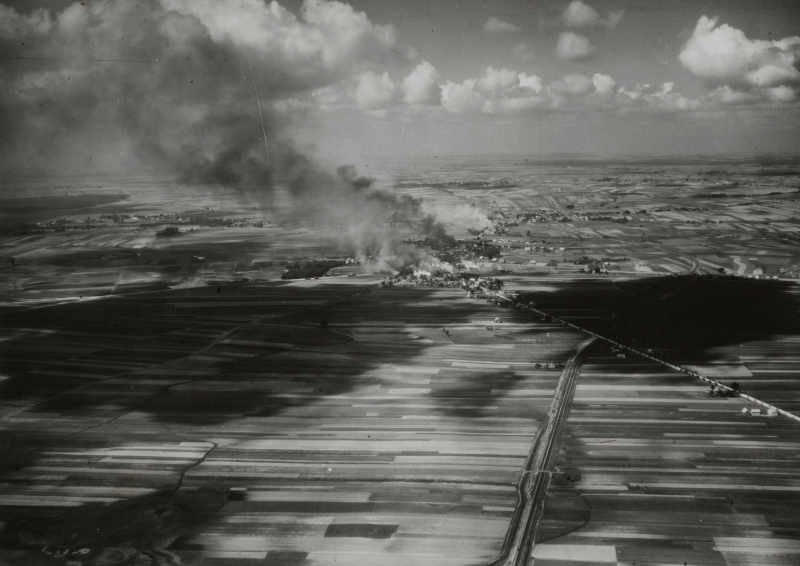
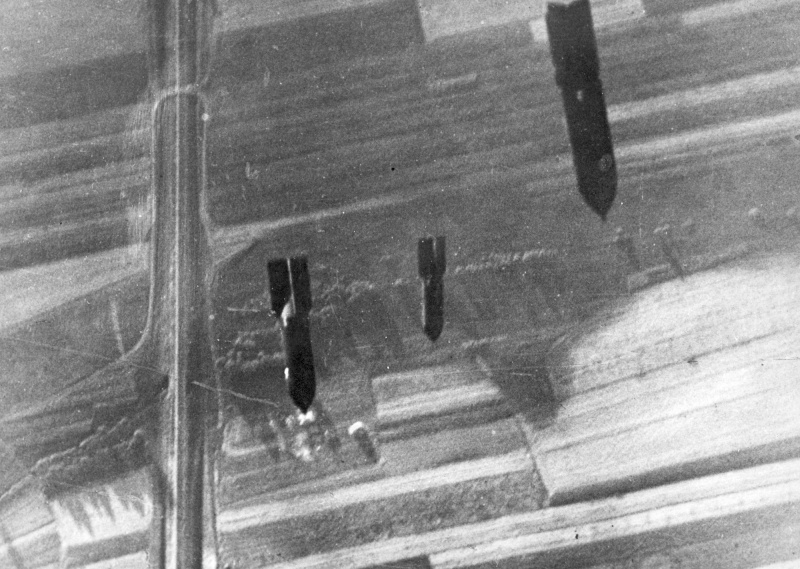
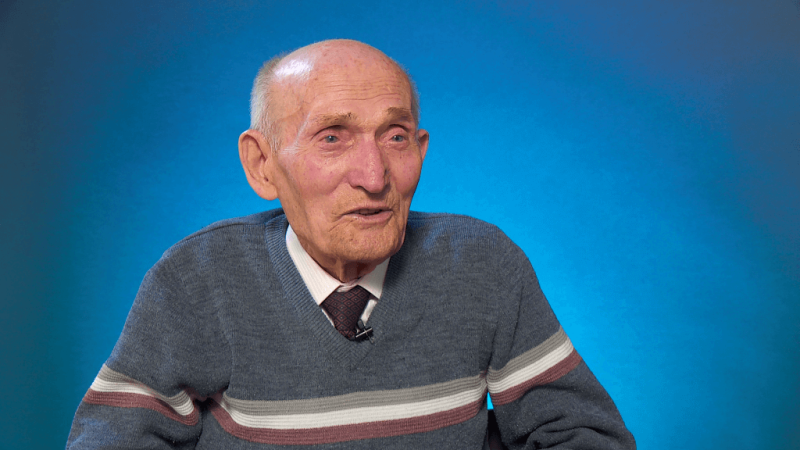
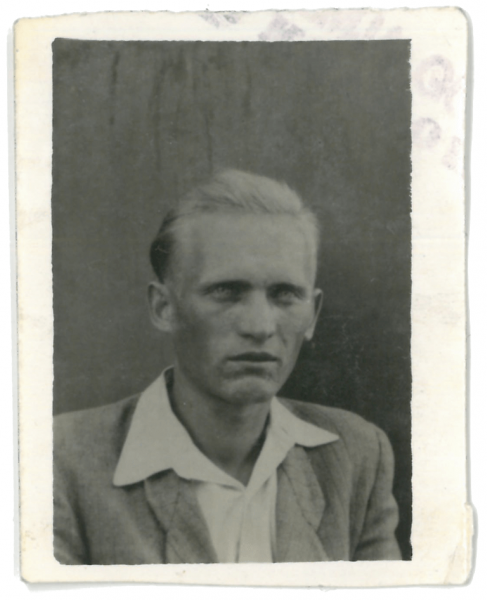
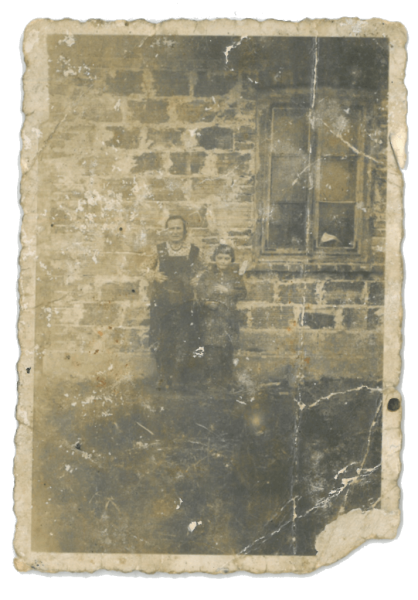
“When the war started, about three hundred metres from my home, from my parents’ home, was an airfield and there were planes, “Karaśes” [...]. The planes simply flew to bomb the Germans when they invaded. And from that, how do I know? I wasn’t yet ten years old and I was grazing the cows at a neighbour’s. [...] [It was then that,] for the first time in my life, I saw a truck”,
recalled Piotr Kopeć, a resident of the village of Szczytniki near Proszowice, the son of Stanisław and Marianna Kopeć, after the war honoured with the title of Righteous Among the Nations.
“These [German] planes came. They bombed for four weeks, artillery all day and all night […]. We couldn’t sleep the whole night. People ran to the basement, bombs dropped. It was terrible [...]. War is terrible”,
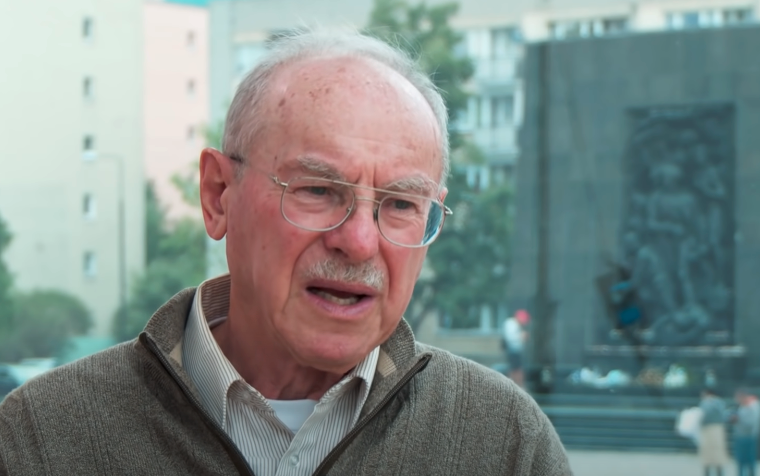
said Artur Citrin, a resident of Warsaw, a Holocaust survivor. In September 1939, he was nine-years-old.
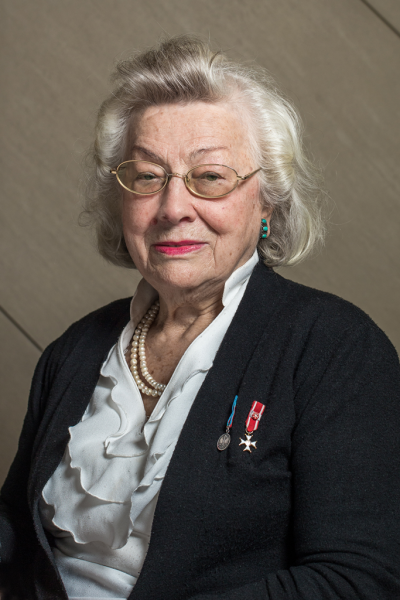
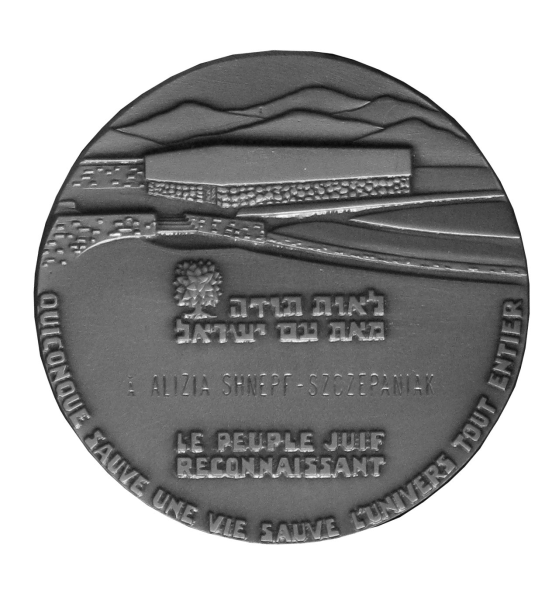
“My father perished on the eve of the surrender. [...] It was, as they say, the dark night of the occupation. Dark, bitter, hungry, poor for all Poles – especially for us because, as I already said, dad was the person who maintained the home, cared for it and for all of us. So, the beginning of the was [...] had an impact, I feel, on my entire life”,
recalled Alicja Schnepf née Szczepaniak, a resident of Warsaw, honoured with the title of Righteous Among the Nations. In September 1939, she was a nine-year-old girl.
As a result of the hostilities in September 1939, Poland’s territory came under two occupations – German and Soviet. For Polish citizens, it meant both terror and repression, but they shaped the situation of the Jewish population on quite different principles.
On territory incorporated into the Third Reich, and within the borders of the General Government established by the German occupation authorities, Nazi Germany pursued a policy aimed at the total extermination of the Jews.
On territory incorporated in the USSR, due to the nature of Stalinist terror based on class rather than racial reasons, Jews were persecuted equally as other social groups.
Initially, the Germans’ policy towards the Jews was to isolate them from the Poles. The Jewish population was publicly humiliated, sent to forced labour, deprived of property, ordered to wear patches or armbands with the Star of David and were then relocated into ghettos.
The first ghetto in occupied Europe was established in Piotrków (today, Trybunalski in October 1939. Almost another 600 closed-off districts were established 1940, the largest of which were located in occupied Warsaw (nearly 400,000 people) and Łodź, which was incorporated into the Reich as Litzmannstadt (over 200,000 people). In 1942, the Germans began the deportation operations from ghettos to extermination centres. Jews, sentenced to death, had to hide in order to survive. They sought shelter outside the ghetto walls – on the “Aryan side”.
“The German regime in the General Government and in the lands incorporated into the Third Reich was different. However, it seems to me that the difference between this regime towards Jews and Poles was more important than towards each of the groups in the mentioned territories”,
said Dr Krzysztof Persak, historian, Research Department, POLIN Museum.
More of Beata Jewiarz’s conversation with Dr. Krzysztof Persak, is available on the YouTube like below.
The POLIN Museum collection contains items relating to the outbreak of World War II, in September 1939, and the beginning of the occupation of Poland. A special place in the collection is reserved for the accounts of “Witness to History” – Jews and Poles. See below for a selection of oral history interviews and archival photographs. Also read the thematic studies by Holocaust researchers.
View and read more:
- The situation of Jews in occupied Poland [a thematic study] →
- The attitudes of Poles towards the Jews during the Holocaust [a thematic study] →
- The Holocaust of the Jews in the Eastern Borderlands [a thematic study] →
- The death penalty for helping Jews in occupied Poland [a thematic study] →
- Jews hiding on the “Aryan side” [a thematic tab] →
- Jews helping other Jews on the “Aryan side” [a thematic tab] →
- 10 selected photographs about the Holocaust – from the POLIN Museum collection →
- Conversations with experts – educational material: “In Hiding – Stories of the Survivors and the Righteous” →
- Interviews from the POLIN Museum’s Oral History collection [our YouTube channel] →