83rd Anniversary of the Warsaw Ghetto Uprising
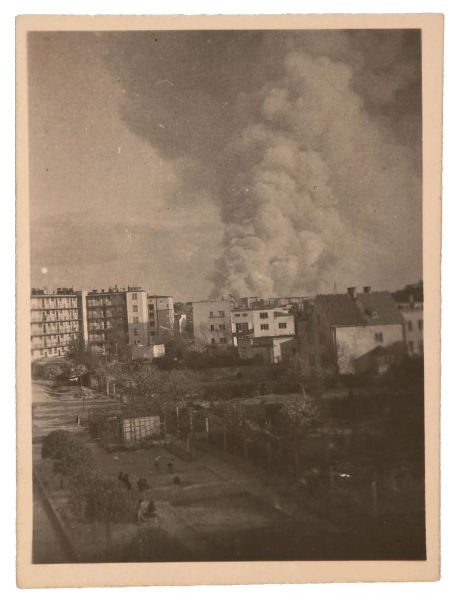

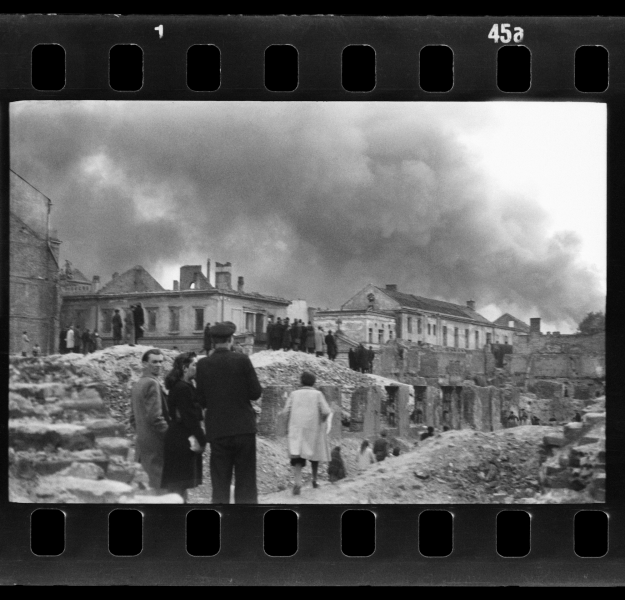
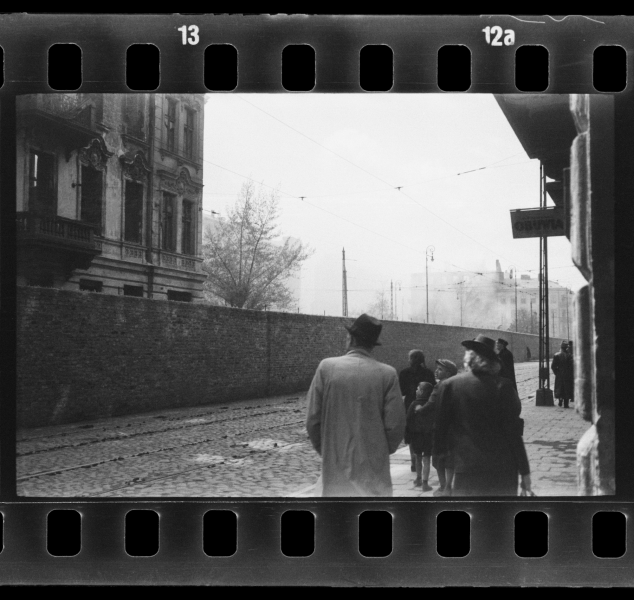
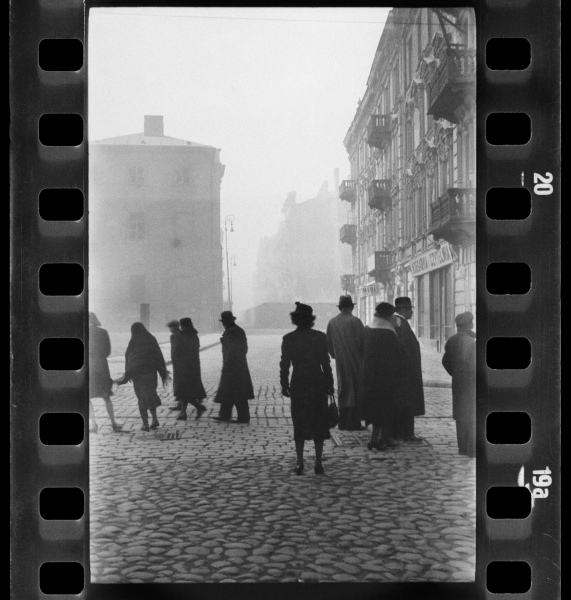


“The Christian Easter fell in that memorable spring of 1943 at the end of April. Throughout the Holy Week, there were constant processions toward the walls. They did not cease even during the holiday. Hardly had the words been spoken, ‘Go, the Mass is ended, Alleluia, Alleluia’, than the crowd, from the overflowing churches, still spiritually aflame, humming with spring, young flowers in hand – ran toward the walls for the spectacle. For the Warsaw Easter spectacle [...]. It was an extraordinary sight”, wrote Adolf Rudnicki in his Easter recount.
The Power of Testimony – the 2026 Daffodils Social-Educational Campaign and the program of events at the POLIN Museum
On 19th April, we encourage everyone to wear daffodils as a sign that #WeRememberTogether those who fought and the thousands of civilians hiding in the ruins of the ghetto, and to take part in the events which we are organising.
On the 83rd anniversary of the outbreak of the Warsaw Ghetto Uprising, the accompanying program of the Daffodils Social-Educational Campaign is dedicated to courage and its many faces – both the everyday courage to survive, and the courage to fight, even in the face of no hope for rescue.
“Those who remember those times, and who lived through them, are passing away. Only memory remains. It is the memory that must be nurtured, developed, and passed on to younger generations. If memory is lost, who will remind us of the heroes of those days and of those who died for freedom? Today, it is we who bear witness”, says Krystyna Budnicka, a survivor of the Warsaw Ghetto and this ear’s ambassador of the Daffodils campaign.
Joining our group of Daffodils campaign ambassadors are also reporter Mariusz Szczygieł, actors Kamila Urzędowska and Julia Kamińska, as well as a wonderful team of volunteers, represented this year by Aniela, Pola, Zosia, and Dominik.
How did Poles react to the uprising in the ghetto? How were these events commented on? What did the “official factors” say -the German authorities, the Polish government-in-exile in London and underground organisations in occupied Poland? And above all - how was the fighting, behind the walls. perceived by eyewitnesses or by passers-by on the streets of the city?
Read more in an article by Professor Barbara Engelking, published on the occasion of the 80th anniversary of the Warsaw Ghetto Uprising. The text comes from the catalogue of the POLIN Museum’s temporary exhibition “Around Us, a Sea of Fire: The Fate of Jewish Civilians During the Warsaw Ghetto Uprising” (2023–2024).
Read: "The little Jews are burning!”. The Poles and the Warsaw Ghetto Uprising (April-May 1943) →
See also, on this Polish Righteous (Polscy Sprawiedliwi) portal, the unique photographs of Rudolf Damec, depicting witnesses to the tragedy of the uprising in April and May 1943. Their movements, gestures and gazes invite interpretation and evoke numerous discussions about Polish attitudes toward the destruction of the Jews.
“The photographs are not posed. In one frame, people can be seen not even looking towards the ghetto. In other shots, they seem almost frozen, standing in the middle of the street or across the footpath, looking directly at the wall. You can also see children, who - as children do - have the least hesitation or shame. They look straight at the wall.”
The meeting will feature, among others, an editor from the Polish Righteous portal, who will speak about the experience of Jewish self-help through the story of Marian Rzędowski. This and other stories are available in the thematic section: “”.
The Poles’ response to the Warsaw Ghetto Uprising (April-May 1943) – Historical information on the Polish Righteous portal
“Through the windows overlooking the Krasinski gardens, one could see the house rooftops on the other side of the garden. And, on these rooftops, there were people, Poles, watching what was happening to us. They were observing us much like the Romans of Nero’s time watched the ‘living torches’ made of Christians burned alive. Seeing those people on the rooftops of ‘Aryan’ houses, relatively free and safe, how I longed to uncover their thoughts, to read what was happening in their souls”, wrote Symcha Binem Motyl, sitting in a shelter within the ghetto on ul. Świętojańska.
How did Poles react to the Warsaw Ghetto Uprising? How was the event commented on? What did the “official factors” say – the German authorities, the Polish government-in-exile in London and the underground organizations in the country? Most importantly, how did eyewitnesses, passersby on the streets of the city, perceive the fighting behind the walls?
Read about this in the article by Professor Barbara Engelking, published on the occasion of the 80th anniversary of the Warsaw Ghetto Uprising. The text is from the catalogue of the POLIN Museum’s temporary exhibition “Around Us a Sea of Fire: The Fate of Jewish Civilians During the Warsaw Ghetto Uprising” (2023–2024).
Read: “The Yids Are Burning!”. Poles reacting to the uprising in the Warsaw Ghetto (April-May 1943) →
See also on the Polish Righteous portal the unique photos by Rudolf Damec, depicting witnesses to the tragedy of the uprising in April and May 1943. Their movements, gestures, and gazes invite interpretation, and evoke numerous discussions about the attitudes of Poles towards the extermination of Jews.
Also, on the Polish Righteous portal, check out the unique photographs by Rudolf Damec, depicting witnesses of the tragedy of the uprising in April and May 1943. Their movements, gestures and glances invite interpretation and spark numerous discussions about the attitudes of Poles toward the Holocaust.
“The photographs are not posed. In one photograph, it is clear that people do not even direct their gaze toward the ghetto. In other frames, they appear frozen, standing in the middle of the street, across the footpath and are staring directly at the wall. You can see children, who – as children do – have the least hesitation or shame – they look directly at the wall.”
The photographs were discovered in 2019 by the author’s granddaughter, Aleksandra Sobiecka. In January 2023, she brought them to the POLIN Museum, where they were displayed in the temporary exhibition “Around Us a Sea of Fire”.
See: Unique photographs showing witnesses to the Warsaw Ghetto Uprising
Read and view more:
- “The Yids are Burning!” – Poles’ attitudes towards the Warsaw Ghetto Uprising (April-May 1943) →
- Unique photographs showing witnesses to the Warsaw Ghetto Uprising
- The story of aid provided by Andrzej and Czesława Miłosz, witnesses to the Warsaw Ghetto Uprising
- “”
- ’
- Historical information about the Warsaw Ghetto Uprising on the Virtual Shtetl portal